
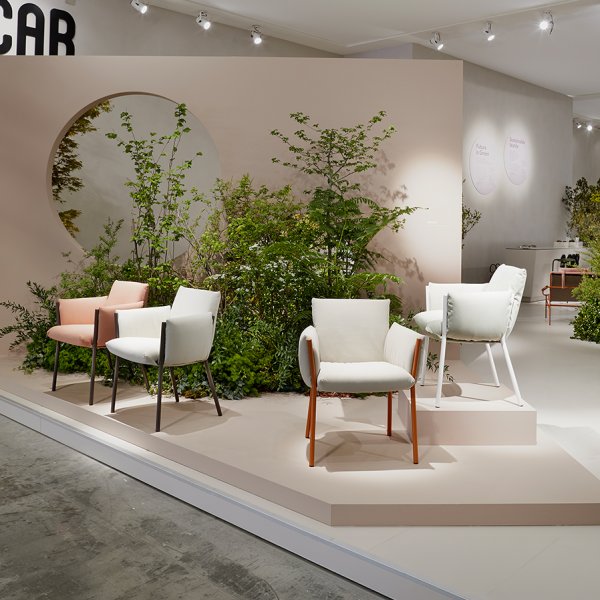
Brezza
₹ 114.000
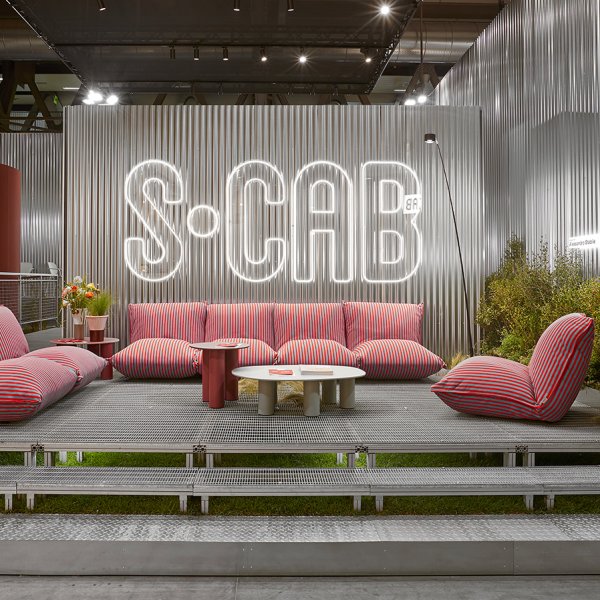
Long before recycled polymers became a selling point, this Italian manufacturer had made plastic its core competence. Founded in 1957 at Coccaglio near Brescia, S•CAB narrowed its production to seating during the 1960s and built decades of expertise in moulding — alongside steel, wood and textiles — which today supports chairs, small armchairs, stools, tables and coffee tables for indoor and outdoor use. Manufacturing runs across three plants totalling 85,000 square metres, entirely in Italy, under ISO 9001 and ISO 14001 certification.
For Indian offices and hospitality projects ordering in volume, La Mercanti proposes this brand precisely for that reason: six decades of one material discipline show up in how a chair survives its third year.
Because moulding is unforgiving: wall thickness, ribbing and gate position decide whether a chair survives years of stacking or cracks in month eight. S•CAB concentrated on seating during the 1960s and has been refining that discipline since, which is what large-volume buyers are really paying for. Steel, wood and textiles complete the range, and quality management is certified to ISO 9001:2015.
Yes: the Go Green collection is produced in regenerated plastic from industrial post-consumer material, certified by ICMQ, with no virgin plastic in the production cycle. Textiles made from recycled PET bottles, recyclable nautical rope and recovered natural cork extend the same approach across other categories, while wood and paper components carry FSC® certification. Documentation for each item is available on its product page.
For project teams equipping offices, campuses and hospitality venues in India.
Break the requirement down by zone and usage hours. At high volumes, stacking, transport and spare availability matter more than any single design decision.
Heat, humidity and coastal air treat plastic, steel and textile very differently. Match the line to the actual environment, including any covered outdoor areas.
Standardise the bulk of the order on a single collection so future top-ups match what is already installed, even years later.
Validate the colours and fabrics that will repeat across hundreds of units. Sample costs are fully credited when the order is confirmed.
We agree which zones are equipped first, who receives on site and how the packaging is managed. Delivery dates are confirmed in writing at order confirmation.