
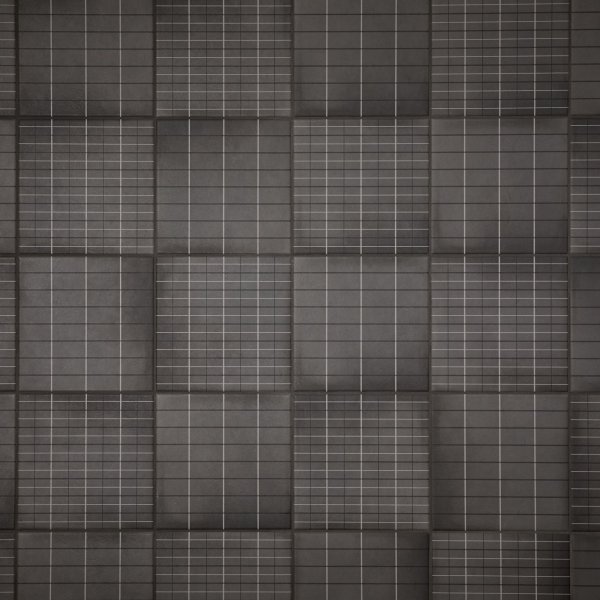
Aurore
₹ 9.928,80
/box
Walk into any globally admired headquarters in Mumbai. Before you notice the furniture — you feel the surfaces. That first impression was not left to chance. It was specified.
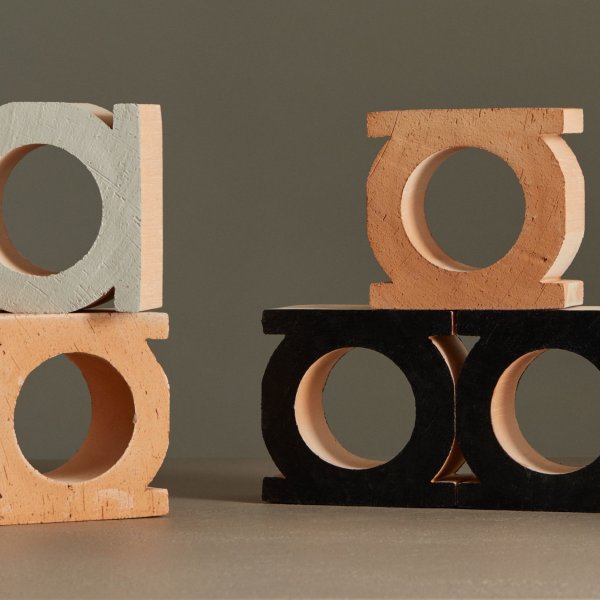
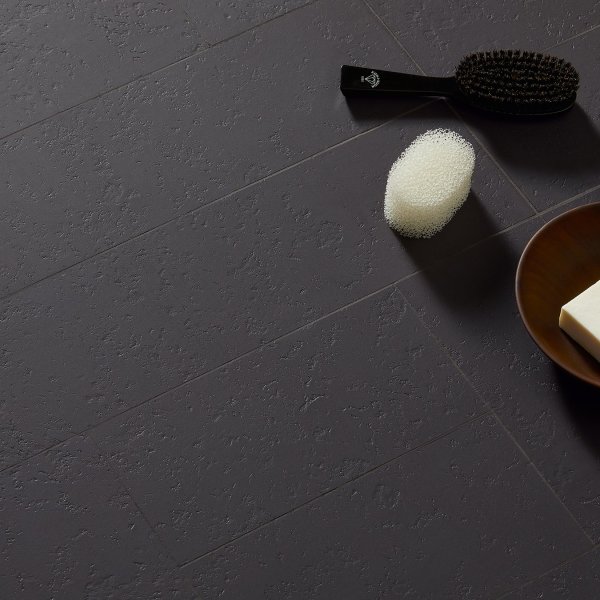
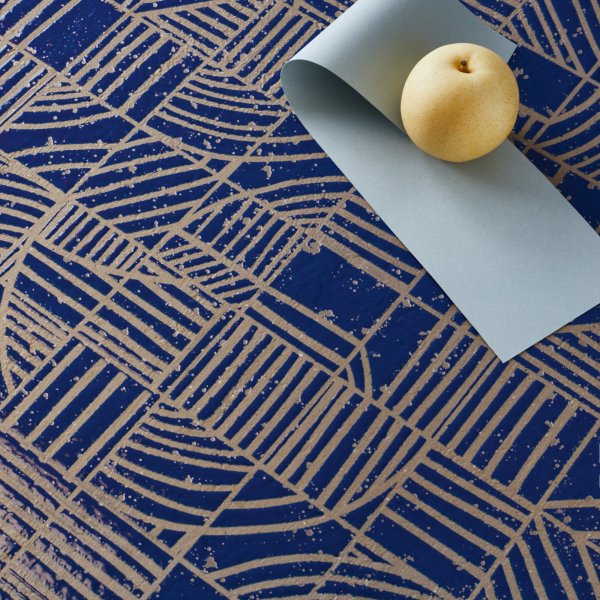
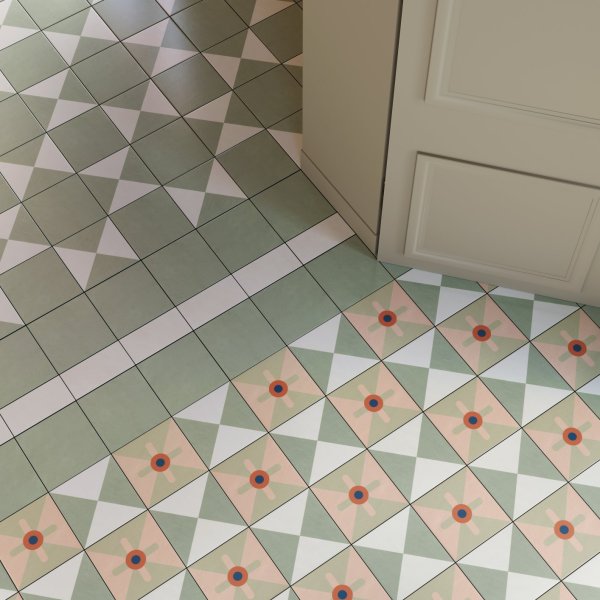
The Italian designer ceramics curated by La Mercanti represent the highest expression of ceramic craft: surfaces born from collaborations between Italy's most visionary manufacturers and internationally celebrated designers. Porcelain stoneware with three-dimensional textures that shift with natural light. Artisan mosaics where geometry meets the imperfection of the human hand. Palettes from quiet mineral tones to bold chromatic statements — each calibrated to elevate, not merely decorate.
These collections live where it matters most: in the reception that signals international stature before a word of introduction, along the corridor to the chairman's office, in the executive washroom that extends the design concept rather than interrupting it. Made in Italy. Curated for India's most discerning projects.
Discover the collections your next project deserves.
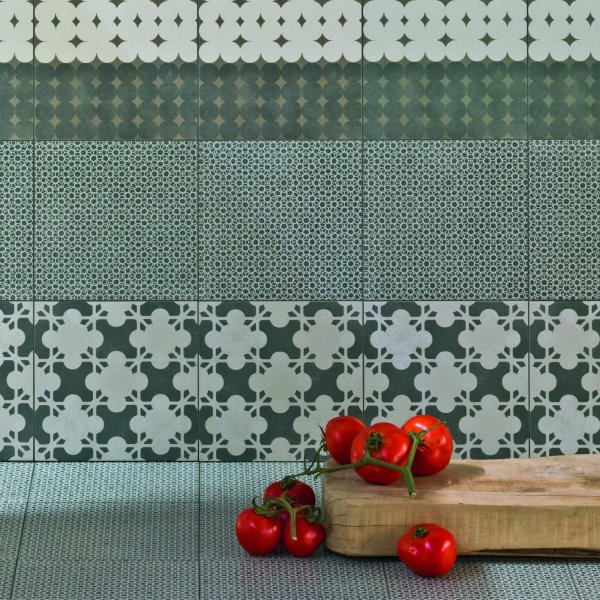
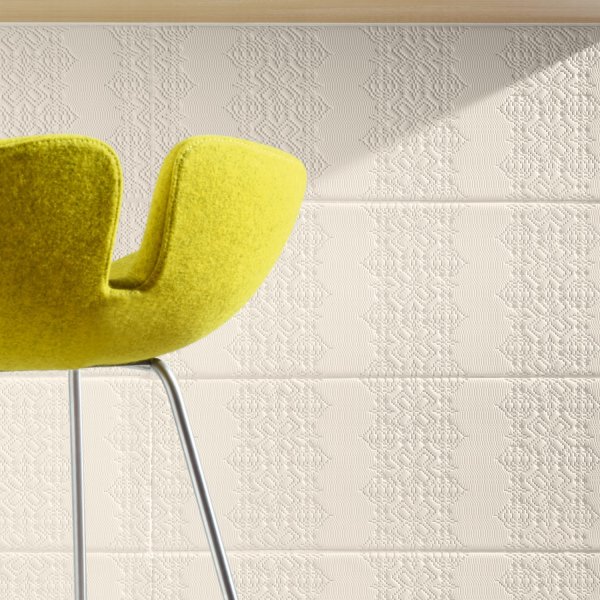
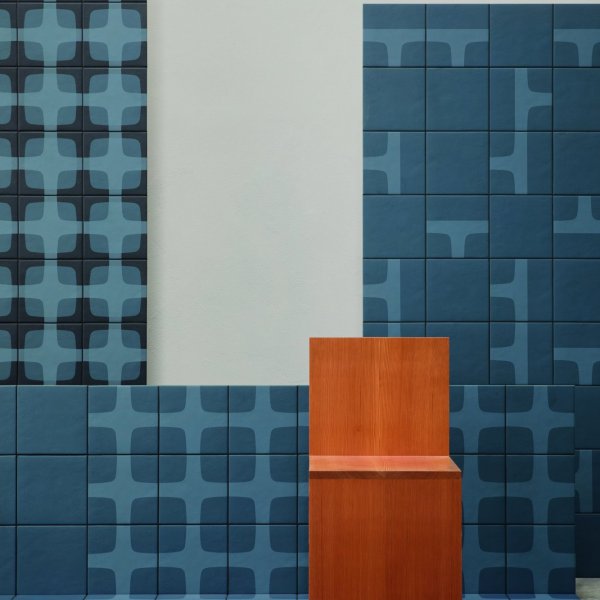
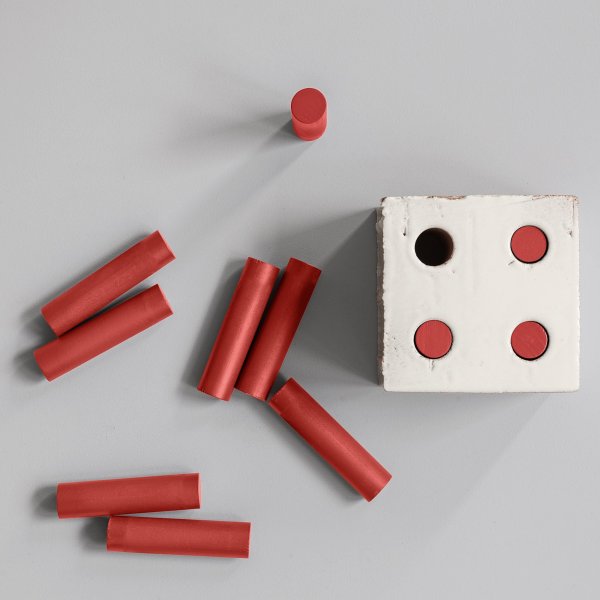
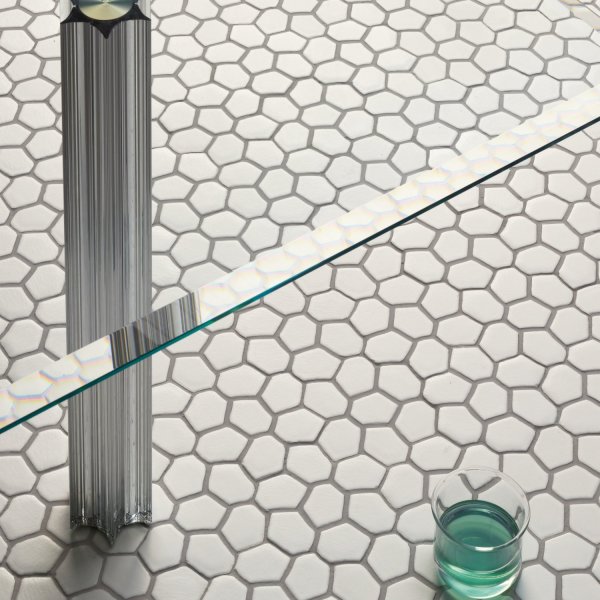
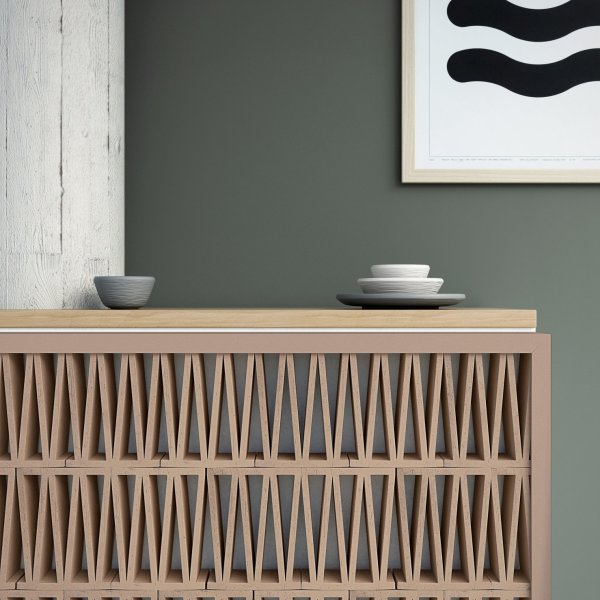
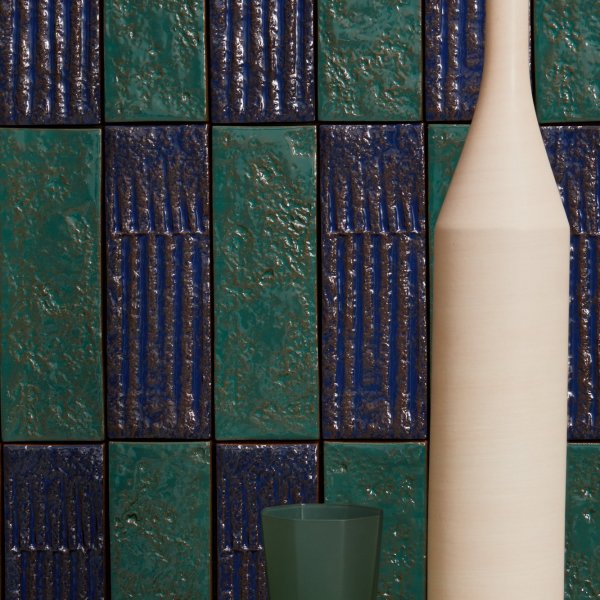
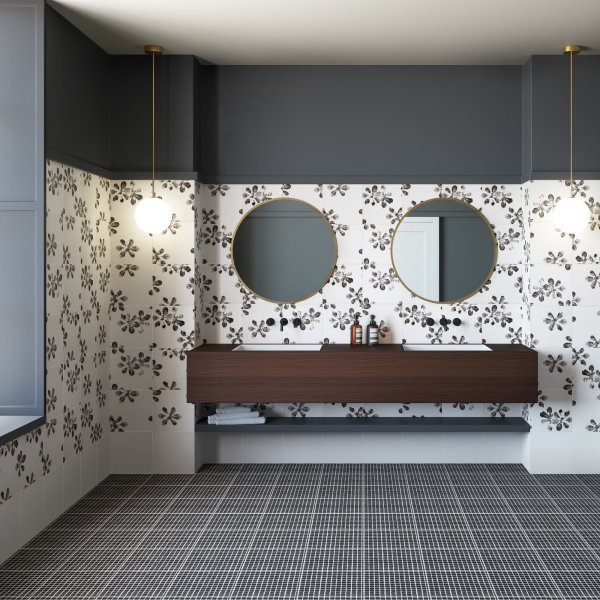
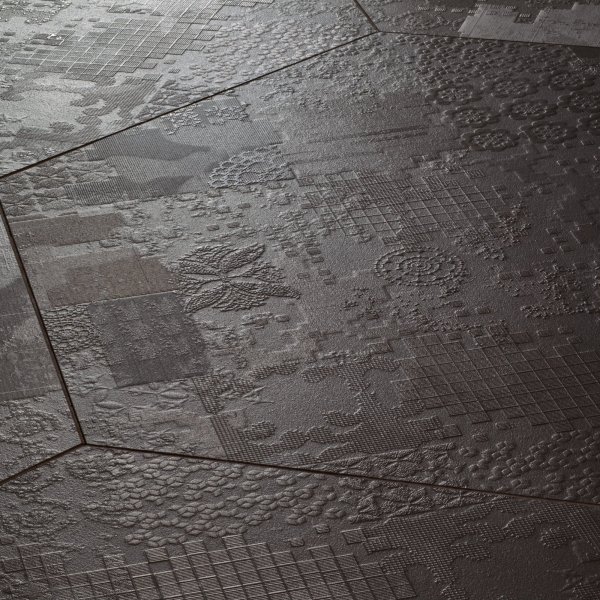
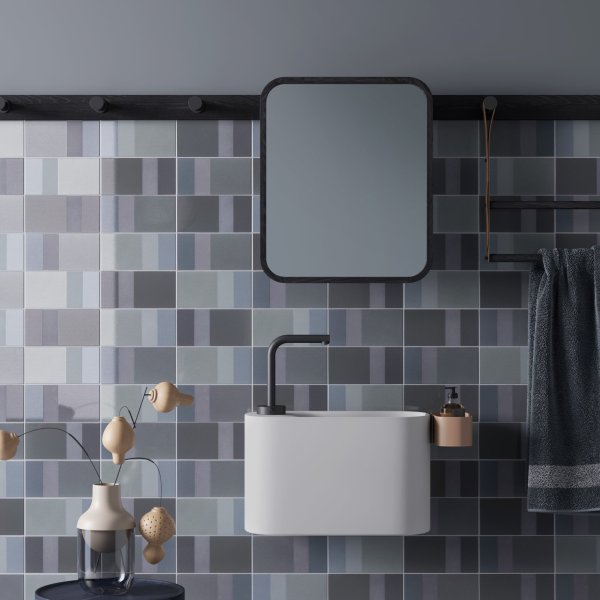
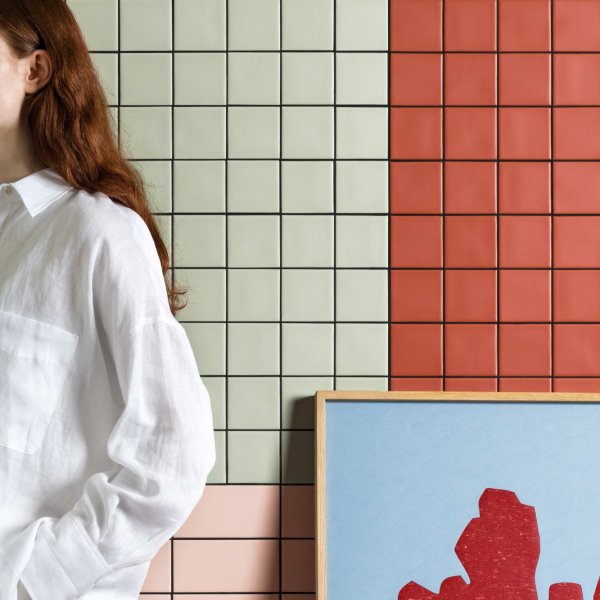
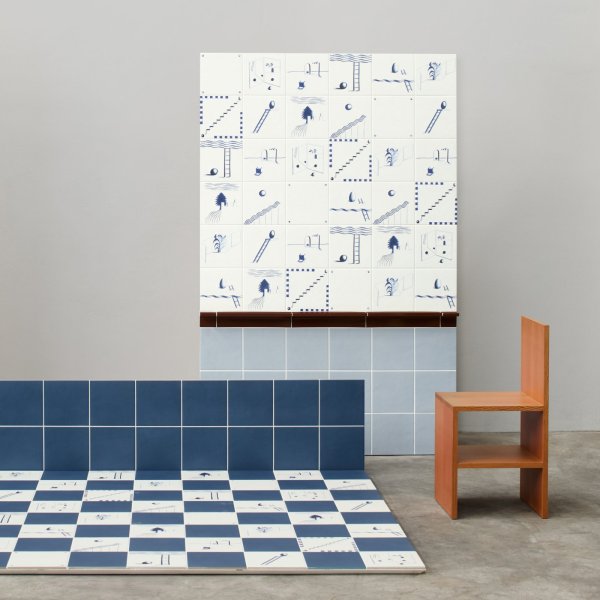
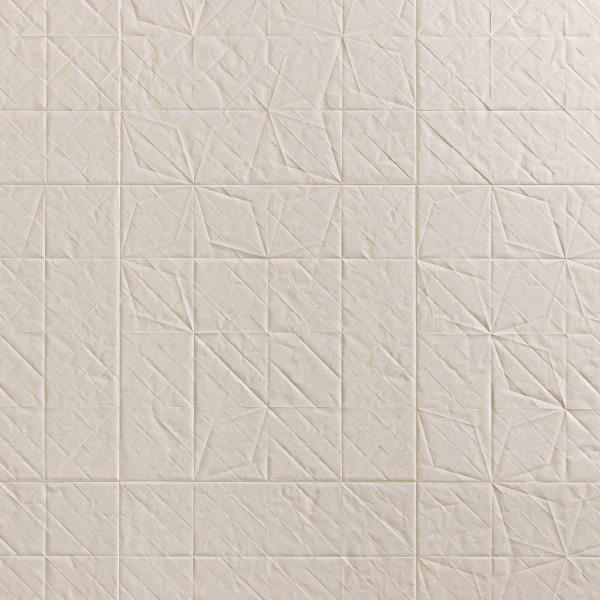
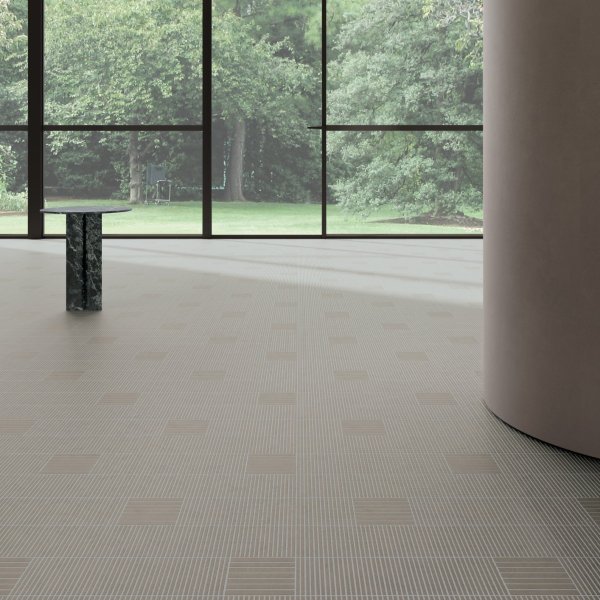
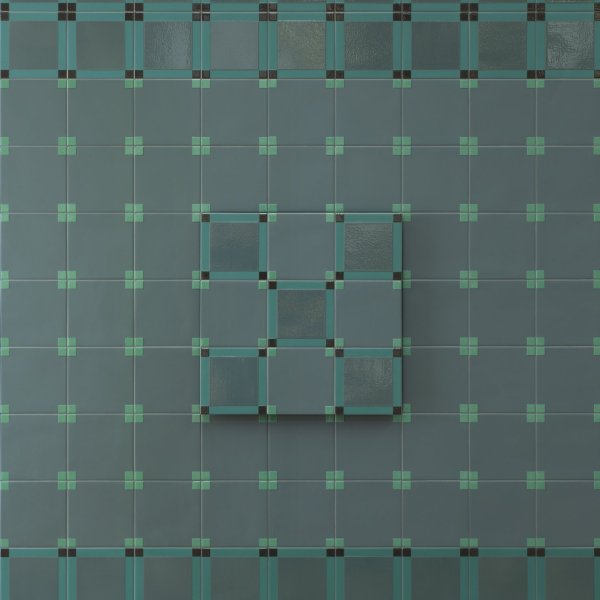
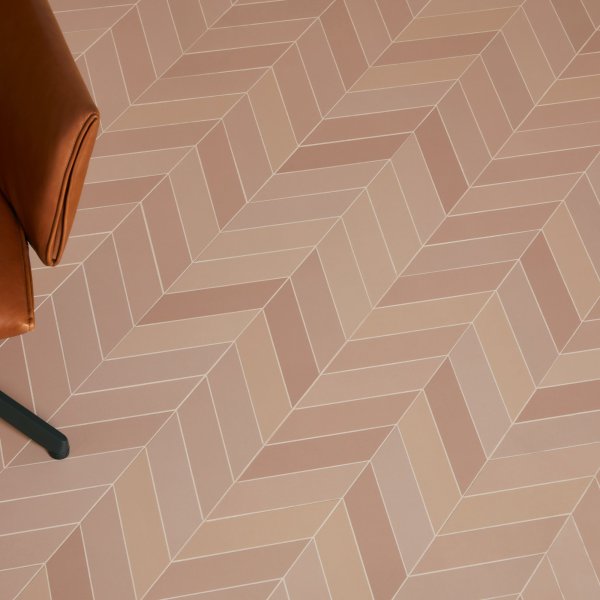
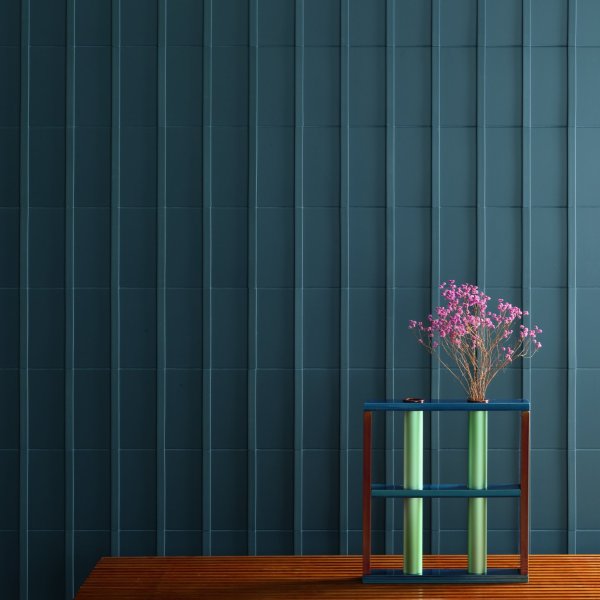
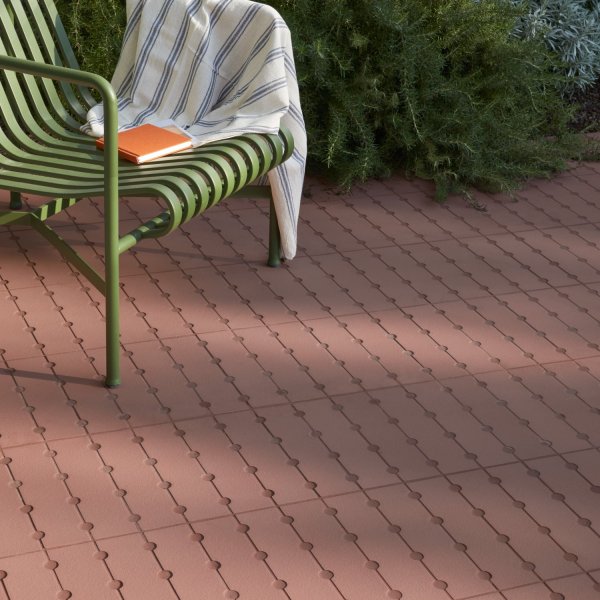
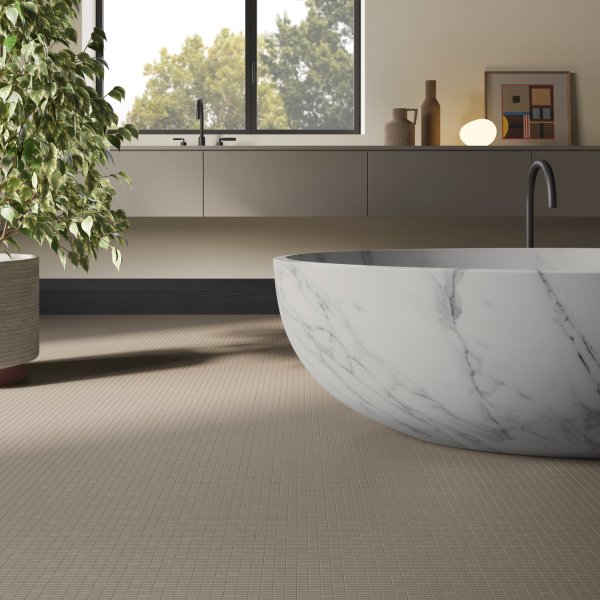
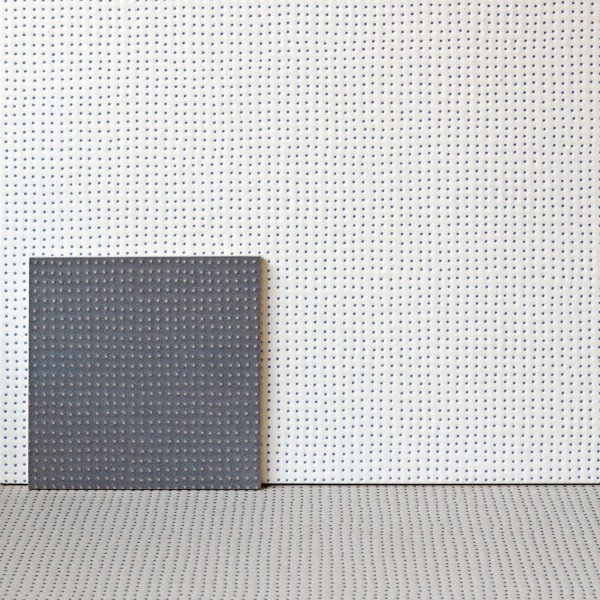
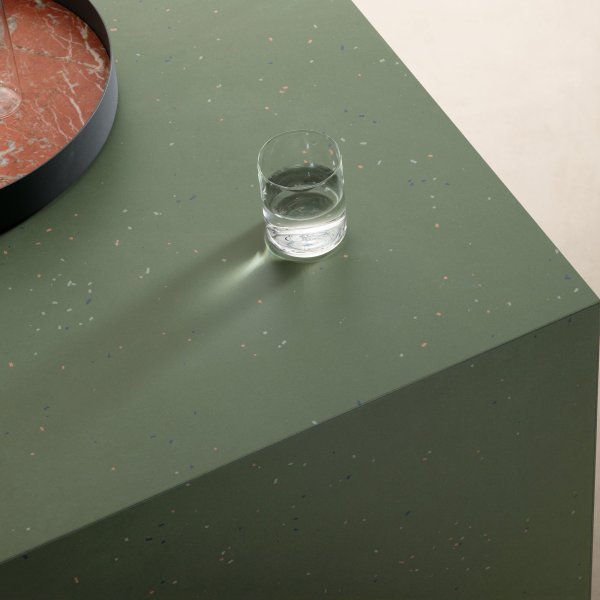
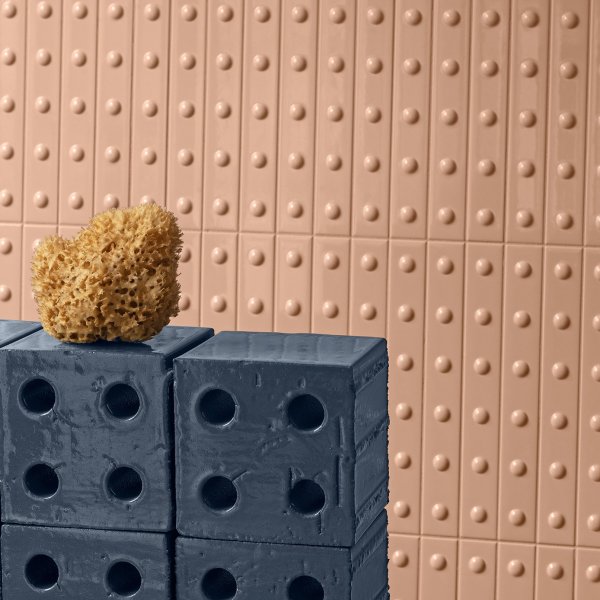
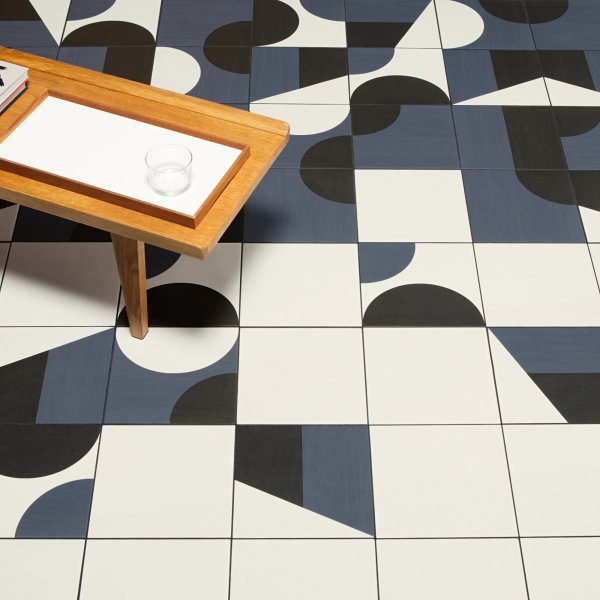
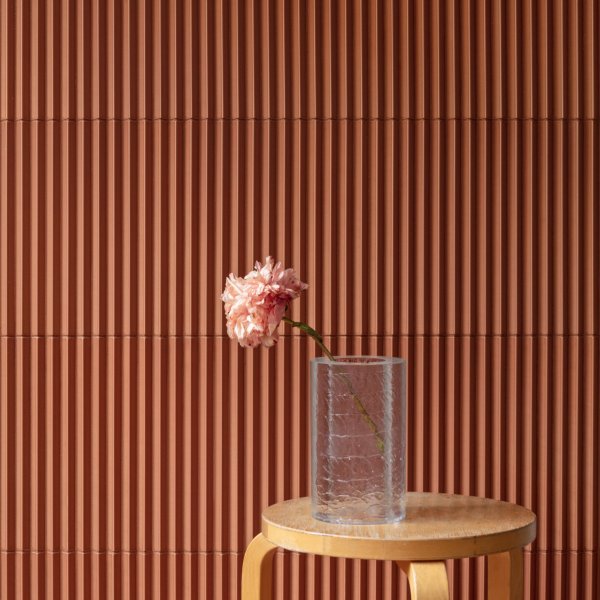
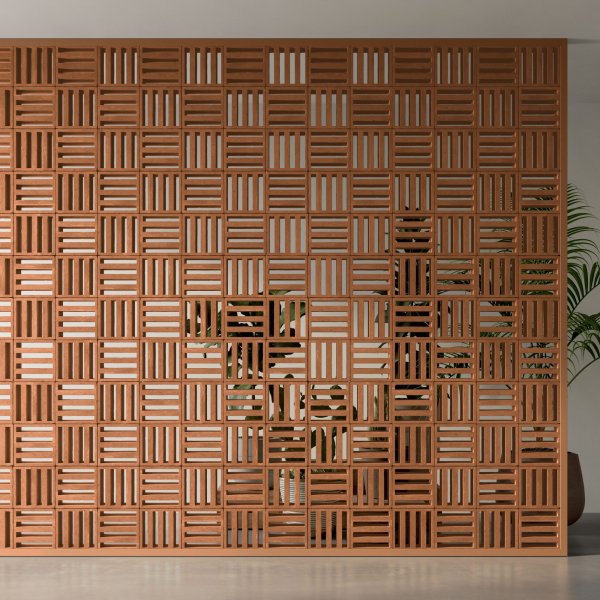
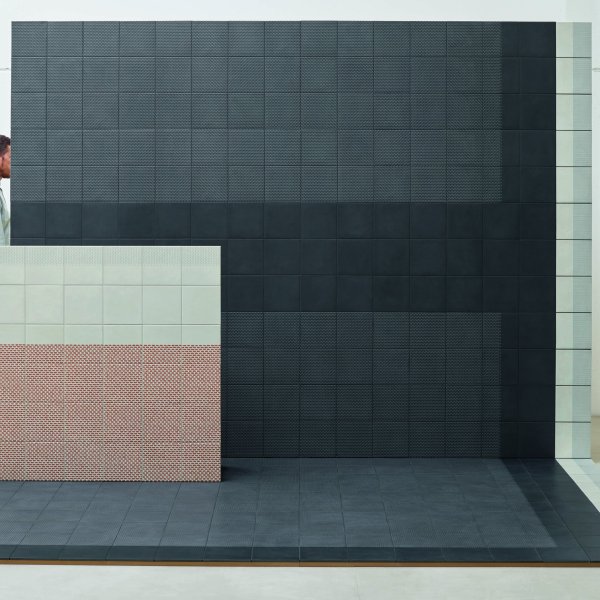
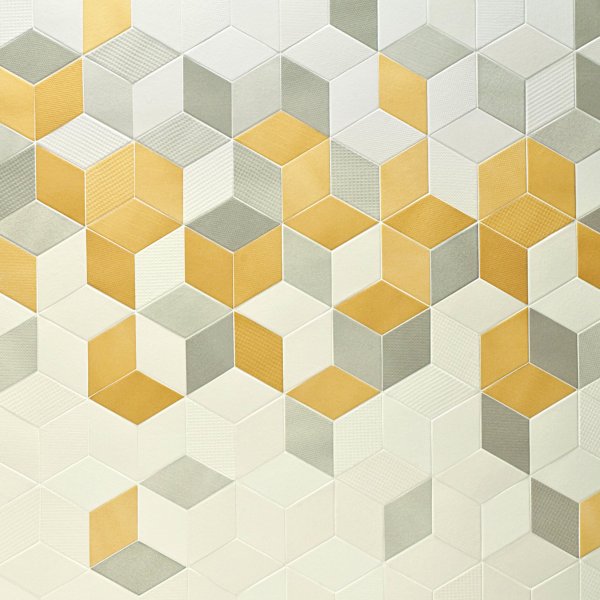
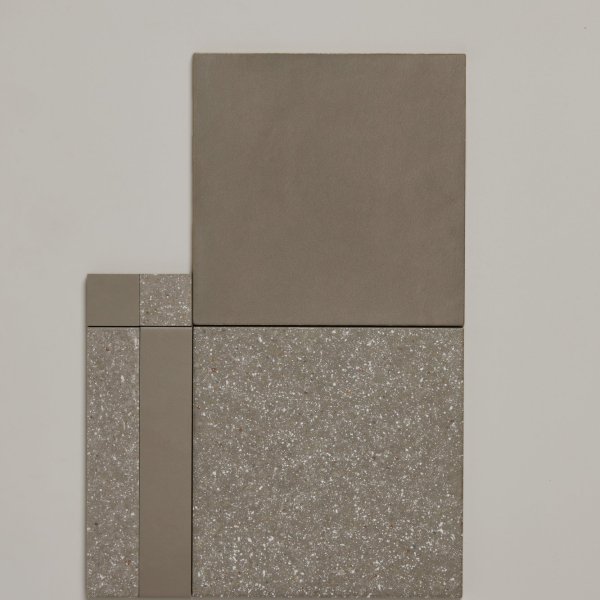
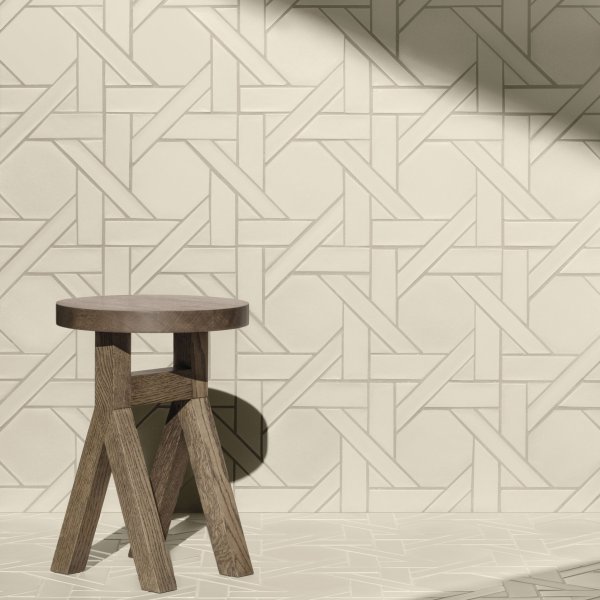
Because Italian designer ceramics are authored design works, not manufactured building materials — a category domestic production does not reach.
Each surface is conceived by an internationally recognised designer through years of material research. The textures, tonal depth, and three-dimensional finishes in these collections do not exist in standard catalogues. For projects competing at the highest level, that exclusivity becomes a strategic advantage.
Italy is the only ceramic culture that continuously fuses centuries of artisanal heritage with cutting-edge industrial innovation and contemporary design.
Other traditions produce beautiful surfaces. Italy produces surfaces that advance the medium itself — textures that have never existed before, colour behaviours that change with light, finishes that reward touch. For discerning clients in Mumbai, Delhi, or Bangalore, that difference is visible the moment one enters the room.
This is precisely where the technical rigour of Italian design ceramics becomes an advantage rather than a luxury. Large-format porcelain from the collections we carry has water absorption below 0.5% — making it dimensionally stable in high-humidity environments and resistant to the thermal cycling that affects most domestic tile over time. Abrasion ratings of PEI 4–5 are standard for floor applications in these collections, appropriate for the foot traffic of a corporate headquarters or a multi-tenant IT campus. The surface treatments are specified with cleaning product compatibility in mind — a critical detail in facilities environments where the wrong detergent degrades the very quality you paid for. La Mercanti provides full technical documentation for every collection.
This is exactly what the best Italian collections are designed to do — and what elevates a project from well-executed to genuinely memorable. The principle is material continuity, not surface repetition: the same ceramic family expressed in large-format porcelain across public corridors, a matte wall finish in boardroom anterooms, a three-dimensional relief version on the executive bathroom feature wall. A visitor moving through the campus experiences coherence — the sense that the space was conceived as a whole, not assembled from separate decisions. This is the design language of organisations that have arrived. La Mercanti selects specifically for collections with this range. The project reveals itself when you see the full family together.
The most impactful offices in the world share a pattern: the decision-maker was involved in the surface selection — not to override the architect, but to align vision with expertise. The ceramic surface is often the single most visible material choice in a premium space. It deserves a conversation at the highest level. Here is how to have that conversation effectively — whether you are a managing director commissioning a new headquarters or a chairman upgrading the executive floor.
Before materials, before mood boards — clarity of intention. Ask yourself: when a client, an investor, or a distinguished guest walks into this space, what should they feel before anyone greets them? Authority. Warmth. Innovation. Timeless refinement. That feeling is your design brief — and the ceramic surface is the first material that delivers it. Communicate this to your architect in those terms: not "I want Italian tiles" but "I want visitors to sense international excellence before they sit down."
Not every wall and floor requires designer ceramics. But three surfaces almost always define the perception of an entire project: the reception feature wall, the executive corridor or lobby, and the washroom that guests use. These are the high-visibility, high-touch surfaces where material quality is noticed immediately — and where standard alternatives are noticed equally fast. Focus the conversation here.
Show your architect photographs of spaces that inspired you — global headquarters, five-star hotels in Milan, distinguished residences. The most productive conversations happen when the decision-maker shares aspirations, not product codes. Your architect will translate those references into the right material specifications. This approach leads to surfaces chosen for their design impact rather than their catalogue availability.
The most common mistake in premium interiors is selecting ceramics last, to "match" the furniture and fixtures already chosen. In distinguished projects worldwide, the order is reversed: the ceramic surface is selected first because it is the most permanent, most visible, and most difficult to change. Furniture, hardware, lighting, and paint follow the ceramic palette — not the other way around. This single reversal in the specification process is what separates a space that looks assembled from one that looks designed.
Result: A ceramic selection aligned with your vision, specified by your architect with precision, and admired by every person who enters your space for decades to come.