
ADD
₹ 1.388.400
An Indian office never leaves a guest to fend for himself. He is received at the door, walked in, seated, offered water and chai — the welcome is a ceremony with its own choreography, and the visitor chairs are the point where that ceremony becomes physical. A guest reads the seat he is offered as accurately as he reads the handshake, and he remembers both far longer than the paint or the signage.
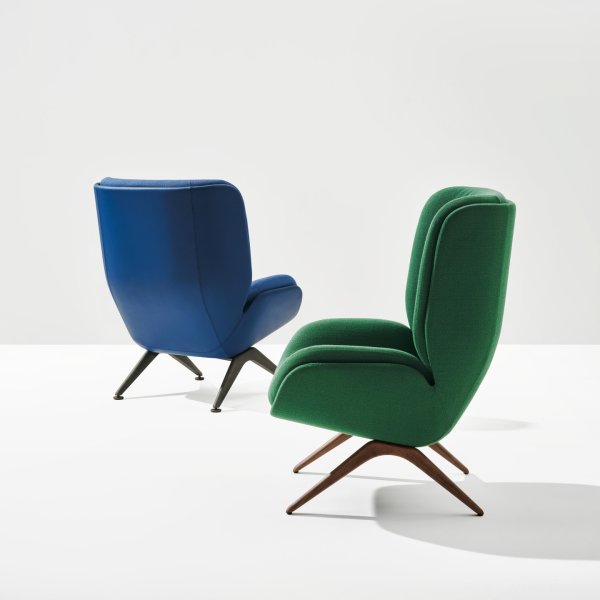
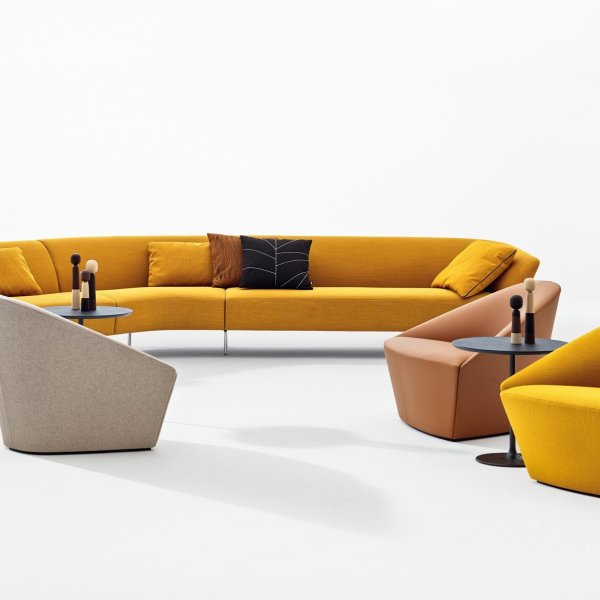
This selection covers the full arrival sequence with Italian visitor and reception chairs: cantilever guest chairs for the cabin side of the boss table, upholstered reception seating for the front desk, lounge and waiting-area pieces for the lobby where important visitors spend their first quarter-hour. The craft is in what a guest never consciously notices — frames that do not creak when a heavier visitor settles, upholstery that holds its line after thousands of sittings, armrests placed exactly where a senior guest reaches when rising with dignity.
Reception seating is bought once and judged daily, by every person who matters to your business. La Mercanti helps Indian offices plan the entire visitor sequence — chair selection, finishes and layout advice — before a single piece is ordered.
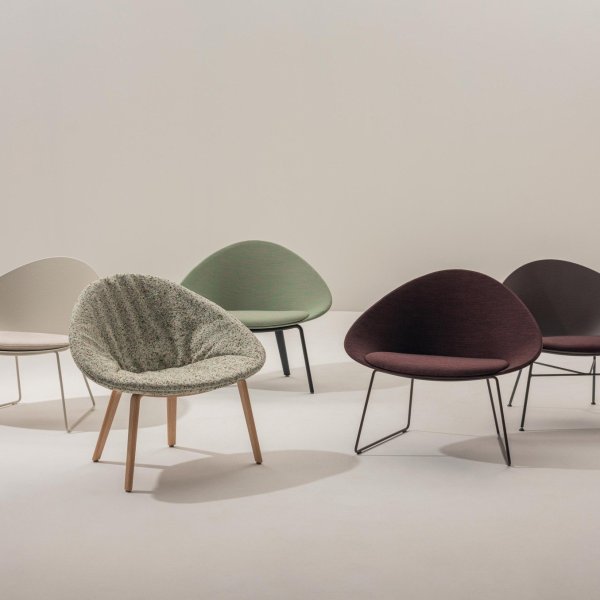

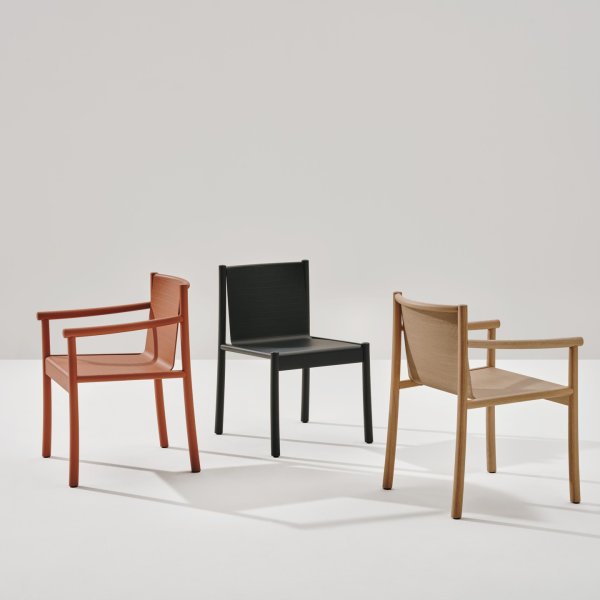

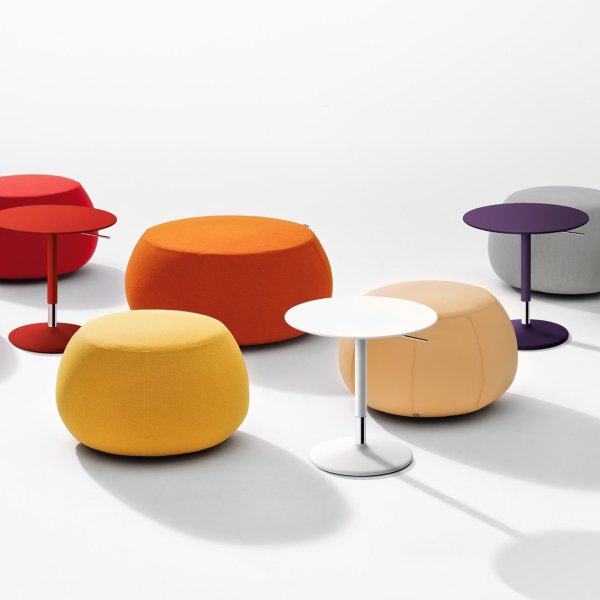
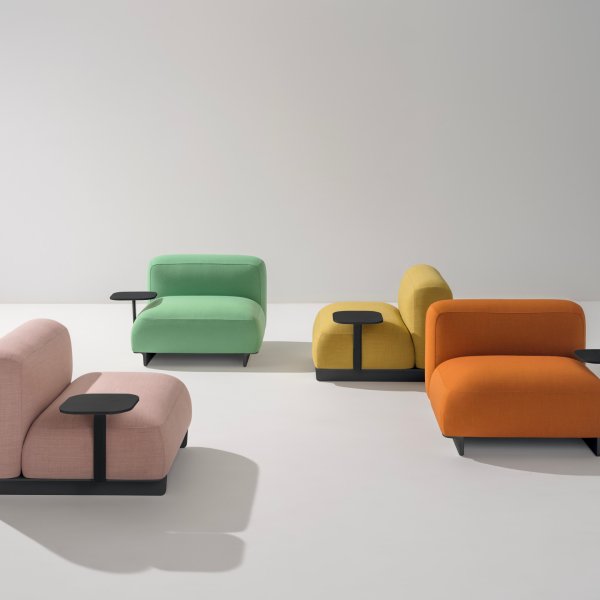
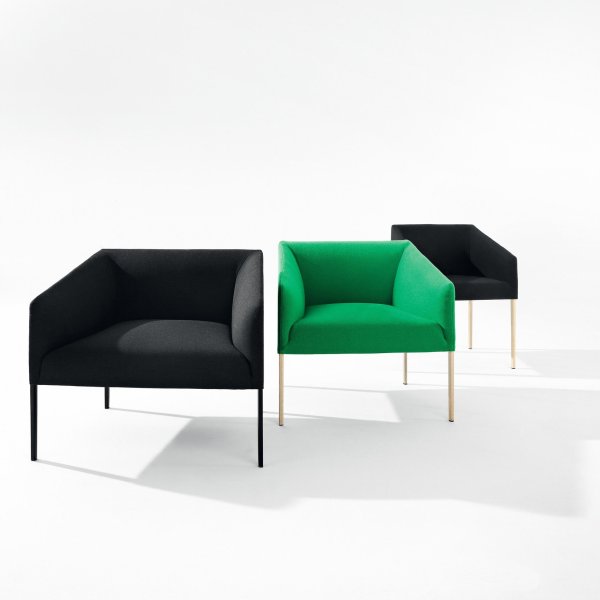
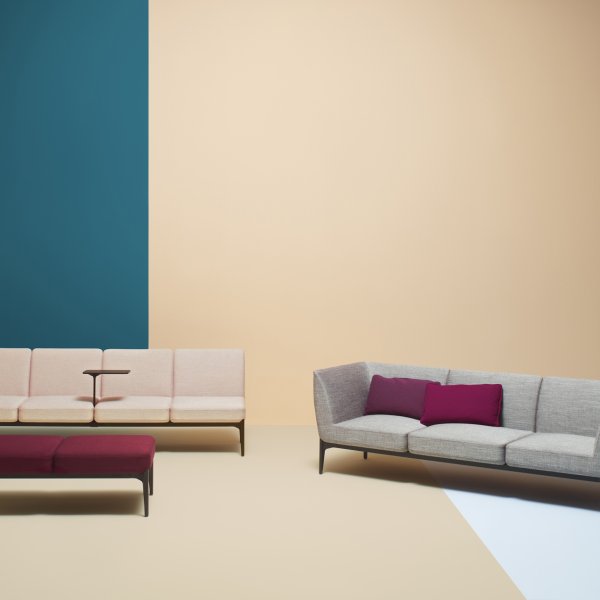
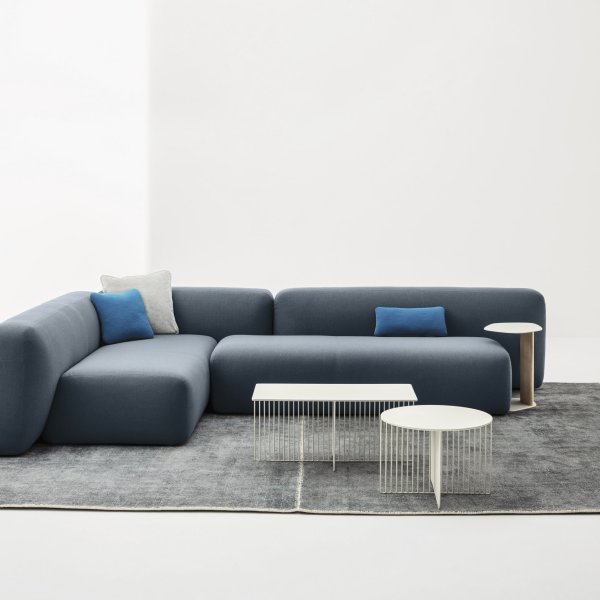
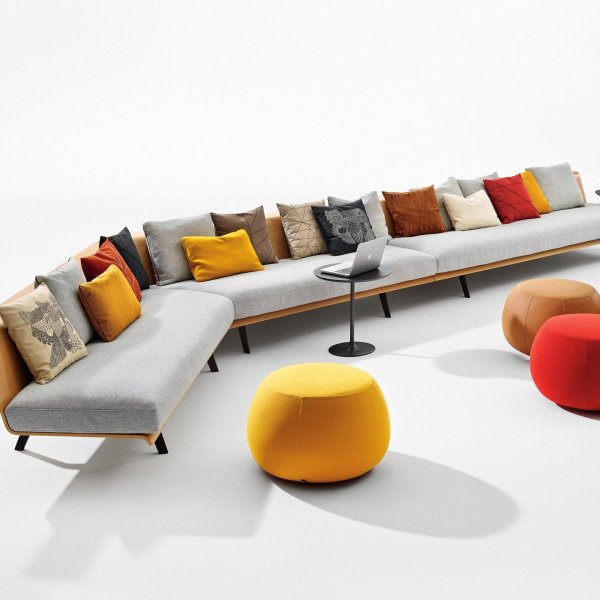
Different chair, same language. The pair of guest chairs across the boss table should come from the same finish family as the executive seat — related leather tone, related metal — but one register quieter: a lower back, a lighter frame, often a cantilever or four-leg format against the executive’s revolving base. A modest difference in seat height is traditional and reads correctly in an Indian cabin, where the grammar of seniority is understood by everyone in the room; what must never happen is the guest feeling physically diminished. He should sit upright, supported, forearms resting naturally, able to hold a forty-minute discussion and rise from the chair without effort.
Avoid the two extremes: identical chairs on both sides flatten the cabin’s hierarchy, and a visibly cheap guest chair opposite a magnificent boss chair insults the very people the cabin was built to receive. Specify the pair at the same time as the executive seat, from the same range card.
Firmness, height and arms — in that order. The instinct in Indian receptions is to buy the deepest, softest lounge piece available, because soft reads as generous. Forty minutes later the guest is sunk below the conversation line, his posture has collapsed, and when he is finally called in he has to lever himself out of the seat in front of the people he came to impress. The correct waiting chair is medium-firm, with a seat height around 17 to 18 inches, a slight recline that supports without swallowing, and armrests strong enough to take a person’s full weight on rising — a courtesy that matters enormously to the senior and elderly visitors Indian offices receive daily.
Position completes the comfort: a seated guest should keep a natural sightline to the reception desk, so he never feels forgotten. Test every candidate yourself for a full half-hour, in office clothes. If you check your watch from discomfort rather than schedule, your guests will too.
Zone the lobby and let footfall decide, because no single covering wins everywhere. Nearest the entrance, where visitors arrive through four months of monsoon with damp clothing and dripping umbrellas, absorbent untreated fabric is the wrong answer; specify surfaces that wipe dry — leather, treated technical fabric or a moulded shell — and let housekeeping reset them between visitors in seconds. In the premium waiting zone, where senior guests sit longer and the chair carries the company’s image, full-grain leather or a high-grade technical weave earns its cost: it looks better, breathes better and ages into character rather than shabbiness.
Shells belong where churn is highest and sitting is shortest — overflow seating, queue zones, the chairs that take a hundred sittings a day. The operational rule: map your lobby’s zones by wetness, dwell time and prestige before choosing coverings, and confirm every candidate against the cleaning chemicals your housekeeping team actually uses, not the ones the brochure assumes.
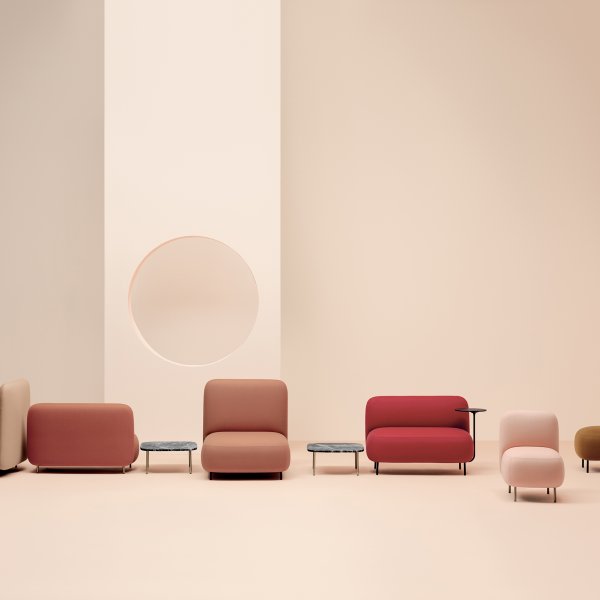
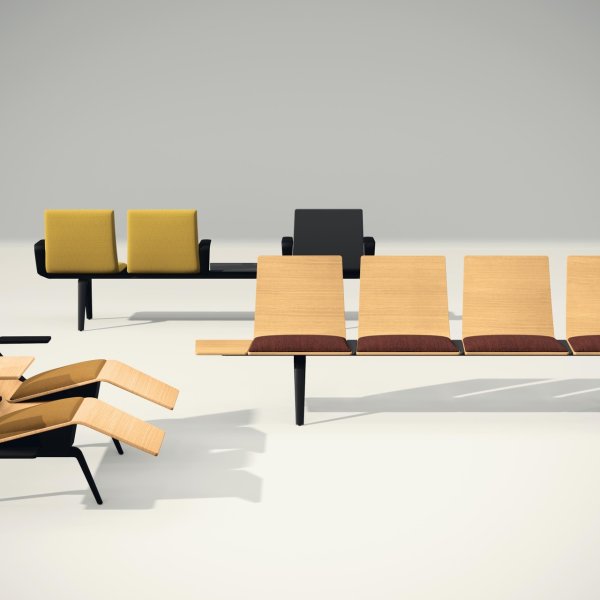
It means planning in groups, not units. A senior visitor typically arrives with company — a colleague, an assistant, a family member on personal matters, a driver who waits separately — and a reception laid out as one long airport row serves none of them well. Plan the main waiting zone in clusters of two and three seats angled slightly towards each other, so a pair can confer quietly while they wait, with side surfaces within reach for the water and chai that will certainly be offered. Keep a visually separate, simpler seating zone for drivers and support staff; providing it is a mark of a well-run office, and its absence is noticed by exactly the guests you most want to impress.
Before finalising quantities, ask the front desk to log arrivals for two typical weeks: group sizes, dwell times, peak hours. Most offices discover they need fewer total seats and better grouping — the budget moves from quantity into quality, which is where a visitor actually feels it.
Reception seating in India is usually bought from a floor plan and a catalogue, which is why so many lobbies look furnished and feel unwelcoming. The corrective discipline costs one morning: walk the exact route your guest walks, stop where he stops, sit where he sits, and let what you find write the specification. Four stops cover it — and they routinely change what gets ordered, in quantity, in placement and in kind.
The most complete study of your reception already exists: the visitor register at the front desk, and the team who maintain it. Begin there, not in the lobby. The register tells you who actually arrives and at what hours: clients, auditors, candidates, vendors, family on personal matters. The front desk team can tell you the rest, because they watch the seating perform all day. They know which chair every guest heads for first, which one nobody accepts twice, where a group of three ends up when the pairs of seats are full, and where a driver stands for forty minutes because no seat was ever planned for him.
Ask the receptionist three direct questions and write the answers down. Which seat do you never offer to a senior visitor, and why? Where do guests shift to when the afternoon sun comes over the west side? What do people do with their bags? The answers are the audit — the chair under the AC vent that stays empty in every season, the seat that leaves a guest studying a wall instead of the desk, the corner where the housekeeping trolley parks against an armrest.
None of this shows on a floor plan, and none of it costs more than a morning of conversation. Carry the answers forward as the list of conditions the new seating must solve, because furniture bought without them simply re-upholsters the old mistakes.
Every office believes its visitors wait ten minutes; the register you opened at the first stop usually says otherwise. Go back to it for durations this time. Pull two weeks of entries and work out the real dwell times, including the meetings that started late, the interviews stacked at ten o’clock, and the vendor who waited most of an hour on a Tuesday. In most receptions the ninetieth-percentile wait lands somewhere embarrassing, and that number, not the optimistic average, is the brief the seating has to serve.
Then give the seating exactly that long, once, at the warmest hour of the afternoon. Note what changes in the final ten minutes: when your posture starts to slide, whether the armrest actually helps, where a cup of chai would go if it were offered, and whether the desk stays in view without craning.
Every discomfort you record is a specification line: seat firmness, seat height, armrest strength, side surfaces, orientation relative to the desk and the vents. A chair that is still gracious at minute forty of a warm Mumbai afternoon will pass every shorter test your guests ever set it.
An Indian reception serves several very different guests at once, and a single row of identical chairs serves none of them properly. Spend the third stop classifying a fortnight of real visitors: the senior client or investor who should barely wait at all, the business visitor with a colleague, the candidate arriving early and nervous, the courier and the driver who need a place that is decent but deliberately separate.
Each class earns its zone. The premium zone sits nearest the desk with the best pieces in the building — this is where the chairman’s guest spends his first quarter-hour, and it should be planned with the same seriousness as the boardroom. The general zone works in clusters of two and three, angled for quiet conversation, with side tables in reach for the tray that hospitality will bring. The support zone sits apart, simpler but never shabby.
Mark the chai route while you are at it: the person serving needs a clear path to every seat without stepping over feet or bags. If the tray cannot reach a chair gracefully, the chair is in the wrong place, however handsome it looked on the plan.
The most observed moment in any reception is not the sitting; it is the rise. The host arrives, the guest stands, hands come together or extend — and the chair either assists or embarrasses. Rehearse it with every shortlisted piece: a taller colleague, a shorter one, someone senior in years. Rising should be a single unhurried movement, powered by armrests that take full weight without flexing, from a seat that is firm and high enough not to trap its occupant. Watch bag straps and dupattas too; arms and frames that snag will do so daily.
Then subject the finishes to your reality rather than the brochure’s. Take the actual swatches and put them through housekeeping’s own routine — their cleaning chemicals, their cloths, their frequency — plus a splash of chai and a wet umbrella leaned against the frame. A week of this tells you more than any specification sheet.
Only after the rise and the swatches pass do quantities and finishes go on the order sheet. The reception you receive will then match the one you walked and sat in, which is the entire point of spending the morning this way.