
A designed piece arrives with paperwork: drawings, specifications, and parts that still exist
There is a practical difference between a designed piece and a copied one, and it has nothing to do with taste: the designed one comes with documentation. A real project produces drawings, declared materials, defined versions and a parts structure that someone is responsible for maintaining. A copy reproduces the silhouette and stops there — which is why it photographs well and fails at the moment a castor breaks, a gas cylinder gives out, or a second batch has to match the first.
The designers on this page — Italian and international — were commissioned by the manufacturers, not by us: the factory chooses whom to entrust with a project and carries it through to production, documentation included. We distribute the result, so a name appears here only when pieces from that work are on our sites.
For a project that has to be defended in a review — where quantities are large, the fit-out happens in phases and someone will ask for specifications a year later — that paperwork is not bureaucracy. It is the difference between a floor you can extend and a floor you can only replace.
-

967arch
2 products -

Alegre Design
1 product -

Altherr Désile Park
2 products -

Andrea Steidl
2 products -

Antonio Morello
3 products -

Antti Kotilainen
1 product -

Baldanzi & Novelli
1 product -

Barber Osgerby
4 products -

Busetti Garuti Redaelli
1 product -

Cazzaniga Mandelli Pagliarulo
1 product -

Claudio Bellini
2 products -

Daniele Del Missier
2 products -

Daniele Lago
1 product -

Dondoli & Pocci
1 product -

Dorigo Design
2 products -
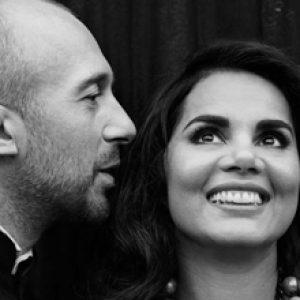
Doshi Levien
3 products -

Eero Saarinen
1 product -

Elisa Ossino
1 product -

Favaretto & Partners
1 product -

Ferruccio Laviani
3 products -

Francesco Rota
2 products -

Gensler
1 product -

Giorgio Topan
1 product -

Giovanni Baccolini
1 product -

Giovanni Ingignoli
1 product -

Hella Jongerius
1 product -

Ichiro Iwasaki
3 products -

Inga Sempé
1 product -

James Irvine
1 product -

Jean-Marie Massaud
4 products -

Karim Rashid
2 products -

Konstantin Grcic
1 product -
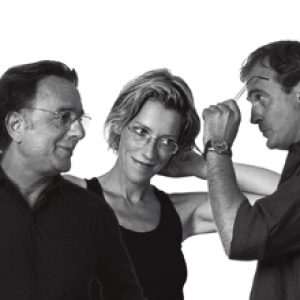
Lievore Altherr Molina
13 products -

Luca Scacchetti
1 product -

Ludovica + Roberto Palomba
1 product -

Mario Mazzer
3 products -

Mario Tessarollo
1 product -

Matteo Nunziati
1 product -

Michael Anastassiades
2 products -

Natalino Malasorti
2 products -

Nathalie du Pasquier
1 product -

Neri & Hu
1 product -

Niels Diffrient
2 products -

Nikolas Chachamis
2 products -

Norman Foster
2 products -
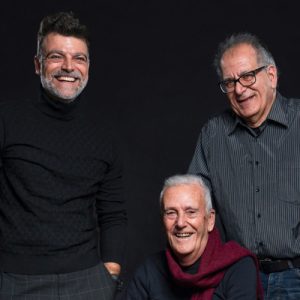
Orlandini Design
4 products -

Paolo Pampanoni
2 products -

Patricia Urquiola
7 products -

Patrick Jouin
2 products -

Patrick Norguet
1 product -
Perin & Topan
10 products -

Pinuccio Borgonovo
1 product -

Progetto CMR
2 products -

Raw Edges
4 products -

Roberto Giacomucci
1 product -
Robin Rizzini
3 products -

Ronan & Erwan Bouroullec
6 products -

Shin & Tomoko Azumi
1 product -

Snøhetta
1 product -

Stefano Boeri Interiors
1 product -

Studio SI
3 products -
The Josef & Anni Albers Foundation
1 product -

Tokujin Yoshioka
2 products -

Umberto Asnago
3 products -

Valerio Sommella
1 product -
Vincent Van Duysen
3 products -

Yabu Pushelberg
1 product
FAQ
Who commissions these designers?
Are the same names available for projects in India?
What documentation comes with a designed piece?
Why does it matter for a large, phased project?
Which pieces appear under each name on this list?
How to tell a designed piece from a lookalike
The difference is checkable, not a matter of opinion. Five things to look at.