Allure
₹ 120
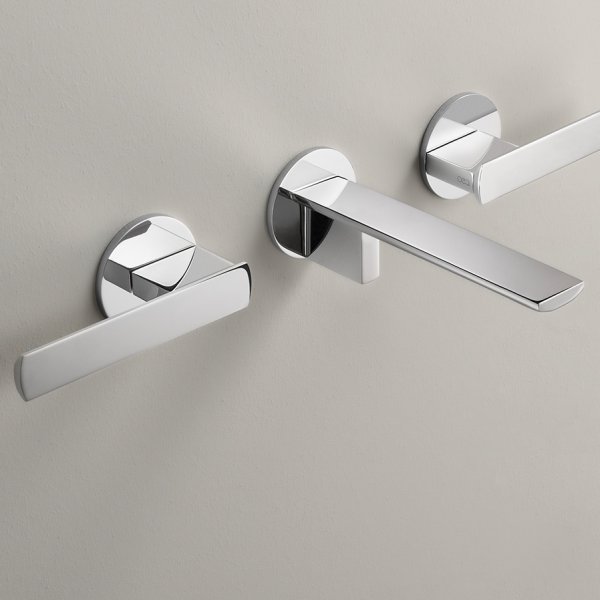
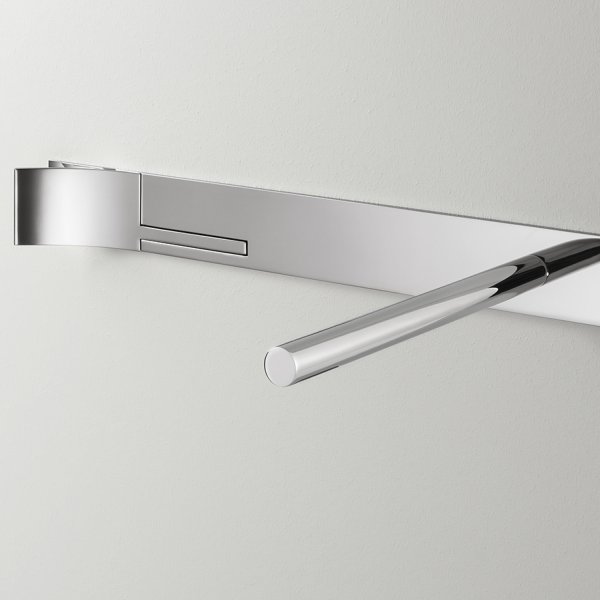
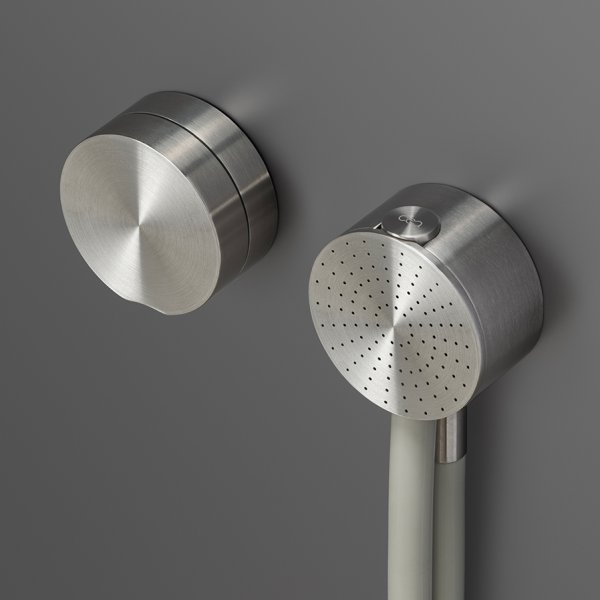
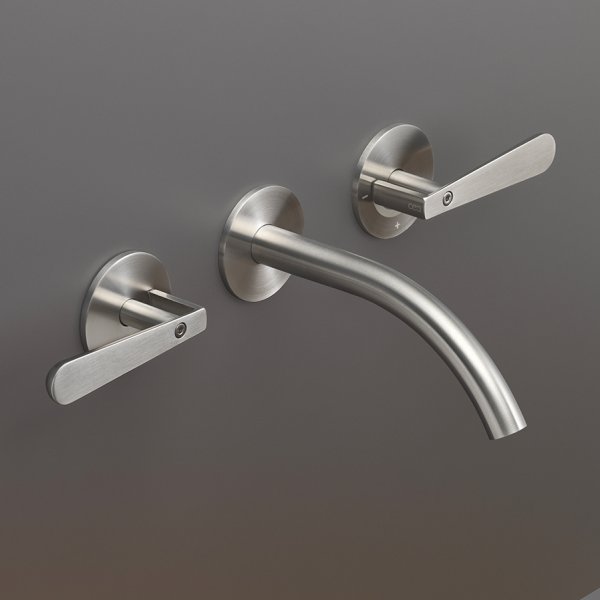
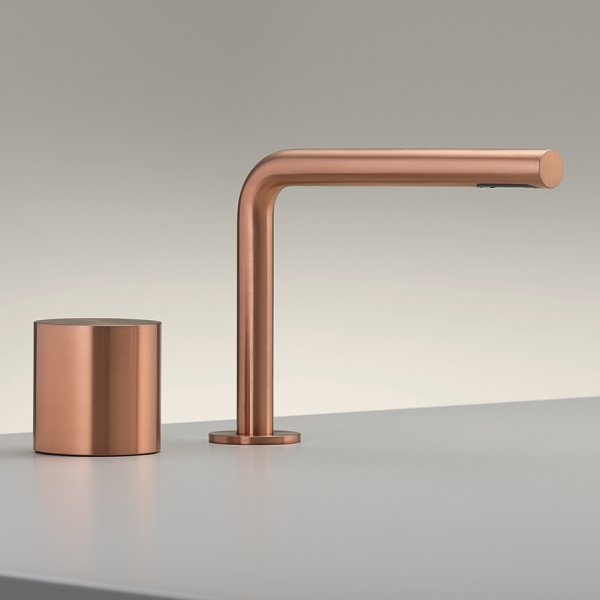
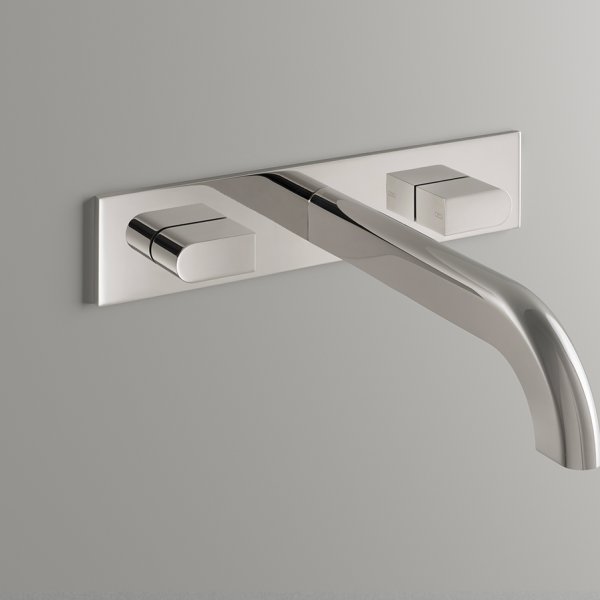
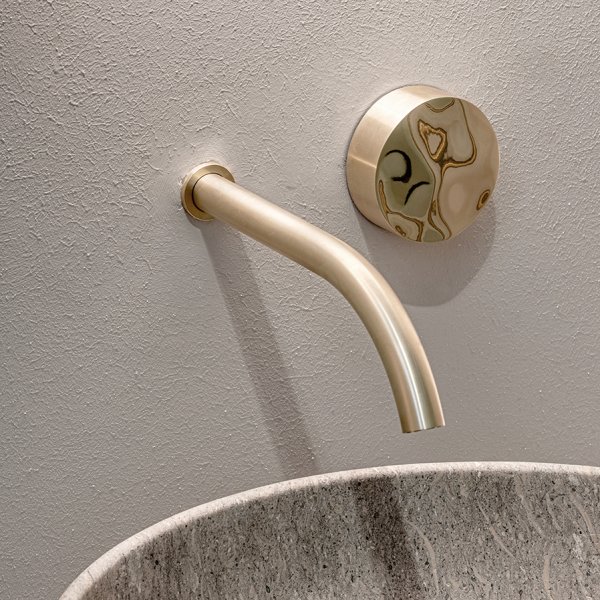
In buildings that never rest, the washroom is the hardest room. CEA builds for it in AISI 316L stainless steel — the maker calls it particularly hygienic, durable and resistant to external agents, and it recycles completely at end of life. The company has engineered water since 1984, born from plant engineering in Veneto's metalworking district; today its range runs from taps and showers to electronic sensor taps, integrated bathroom systems and towel warmers, with international approvals from WRAS to Watermark. Production uses renewable energy only and closed-circuit water testing.
La Mercanti specifies CEA where washrooms must perform daily at scale — offices, hospitality, premium projects across India.
It is the maker's chosen material precisely for hygiene and durability: AISI 316L resists external agents, cleans easily and has no plating to wear through — then returns fully to the recycling loop.
Yes — CEA lists a dedicated electronic and sensor tap range: water on presence, closed otherwise. Fewer touches, less waste, cleaner audits.
Hygiene at scale is a design decision: five steps before the first tile.
Fittings are chosen for peak traffic, not for the photo.
Touchless taps cut contact points and water waste at once.
316L survives harsh cleaning agents that destroy plated finishes.
One collection everywhere simplifies parts and maintenance.
International certifications go into the project dossier at order time.