
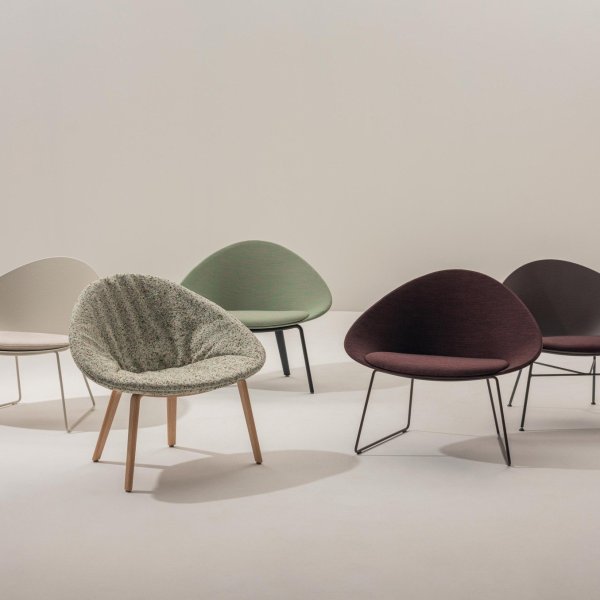
Adell
₹ 244.080
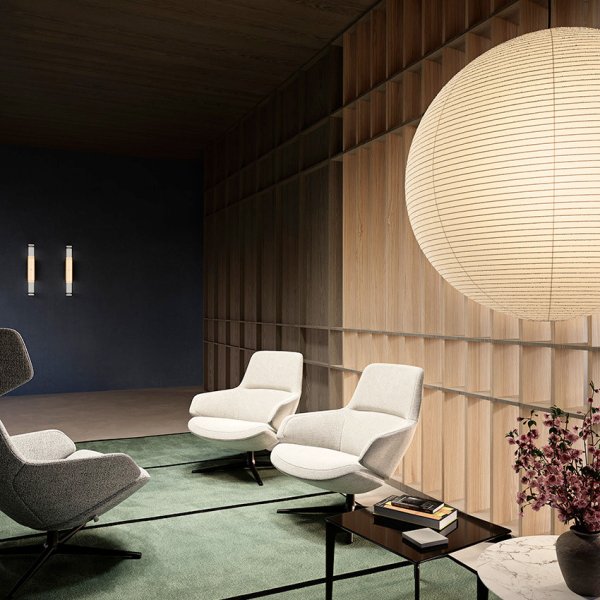
In an Indian office, the wait is part of the meeting, and the chair a visitor first sits in speaks for the company. Arper is built for that moment: a family-owned, independent Italian house established in 1989 in Monastier di Treviso, grown from furniture maker to an international design name whose shell — Catifa — turns up in lobbies and lounges the world over. Its rule is plain: beauty never sacrifices comfort. And its talking point lands hard: Catifa Carta, a chair made from recycled paper-based material.
What a growing company gains is one seating standard that repeats. The same Arper chairs, armchairs and stools serve the reception and the waiting area, the MD cabin and the boardroom, the café and the outdoor arrival — and reorder identically as the firm adds cabins and cities, so year three still matches year one. On the ESG side, the design earns its place: many Arper products are modular and come apart for repair, reuse or recycling.
La Mercanti helps Indian projects choose the right Arper collection for each zone, waiting area included — judged on samples, not renderings.
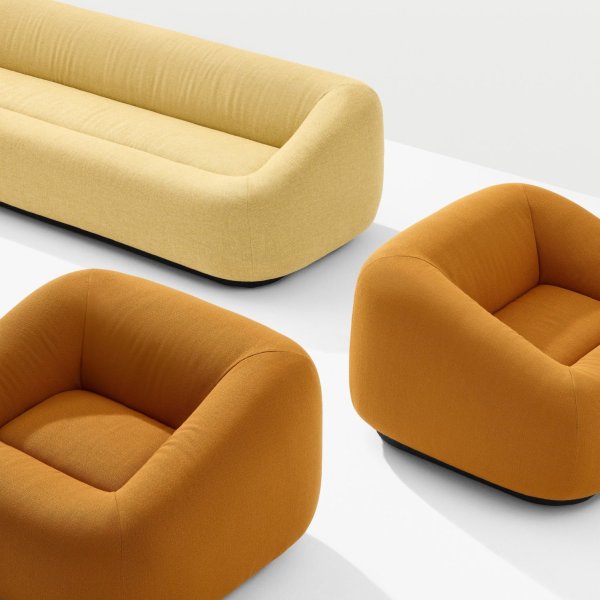
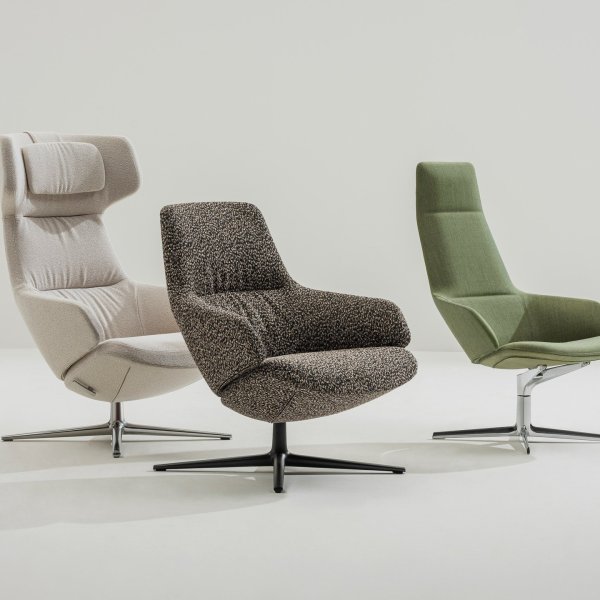
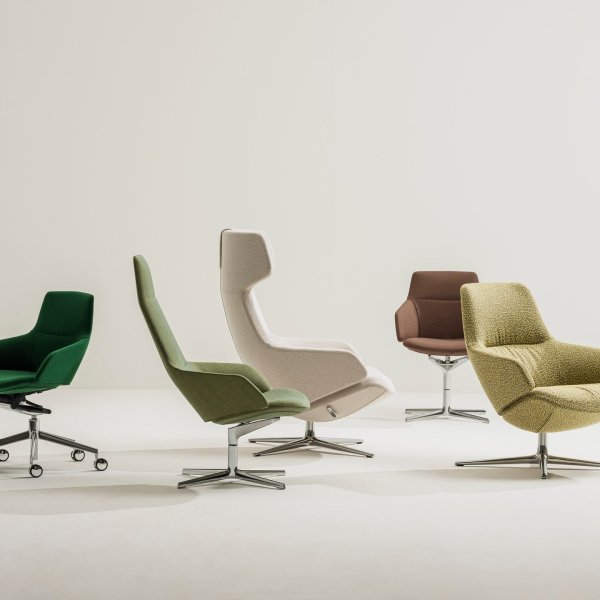
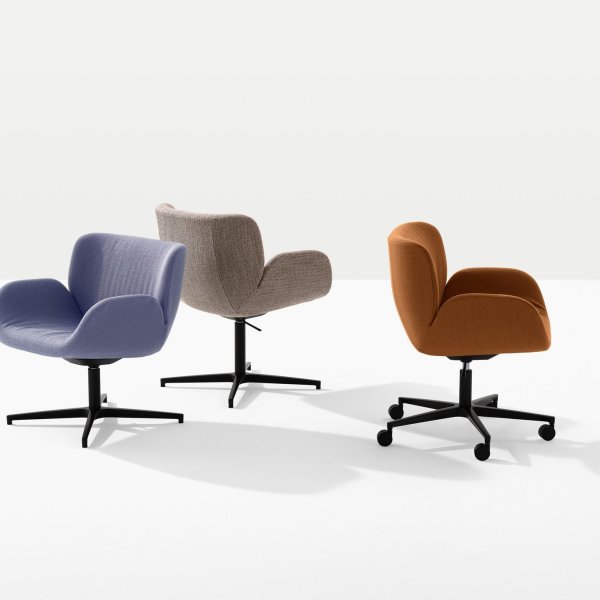
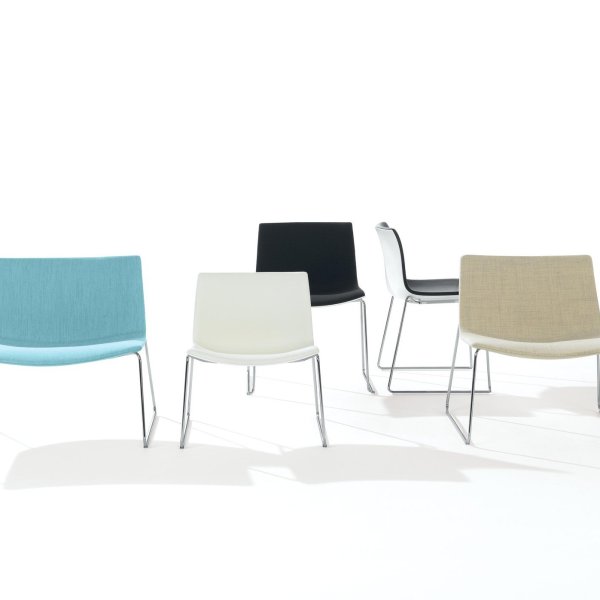
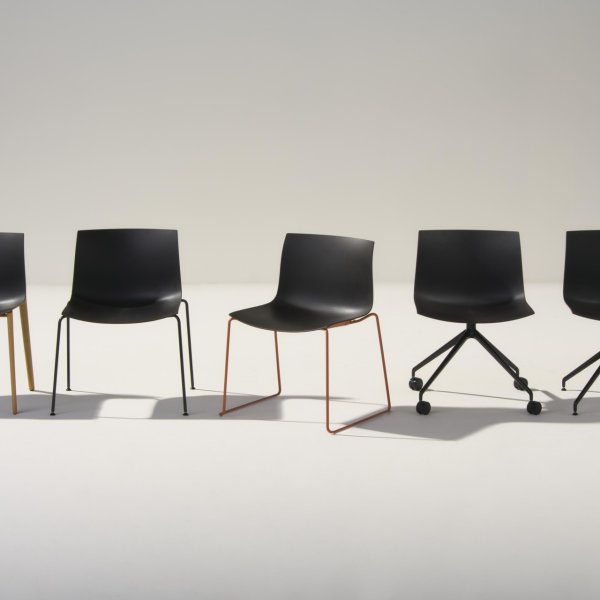
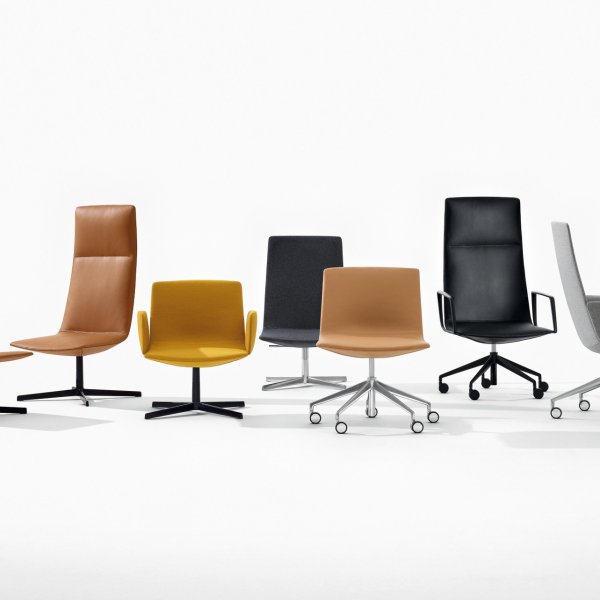
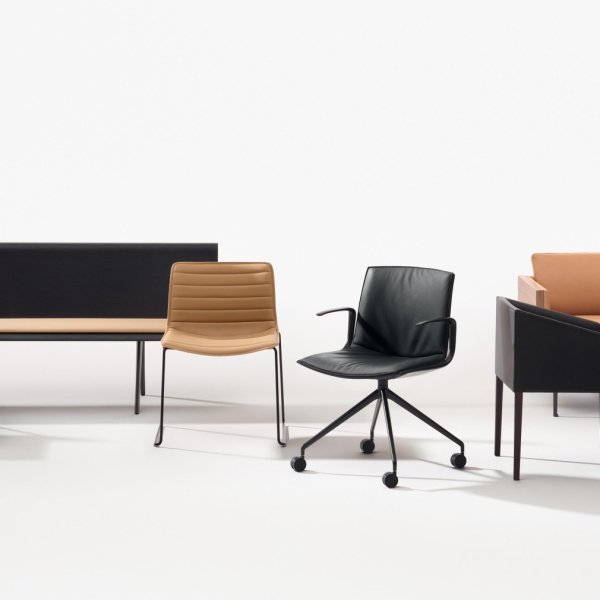
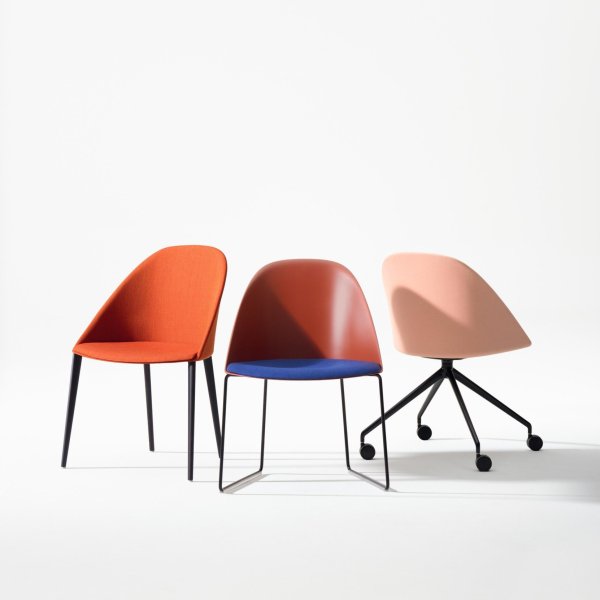
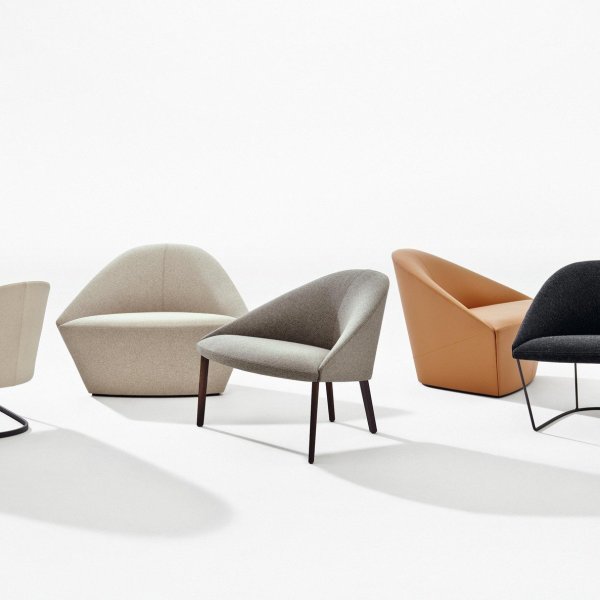
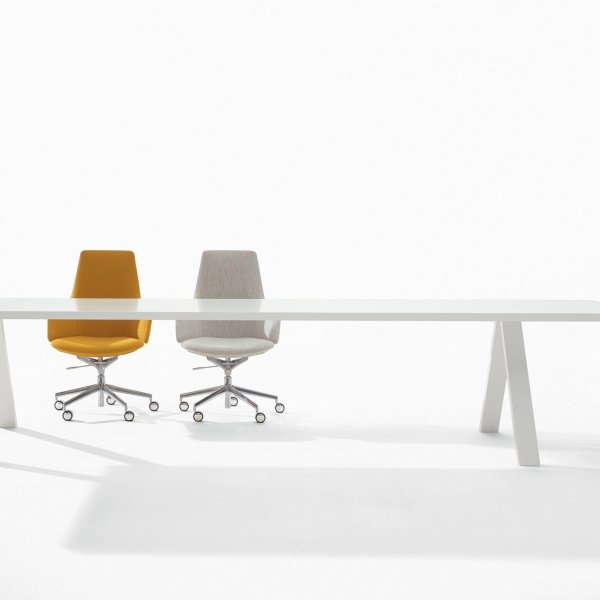
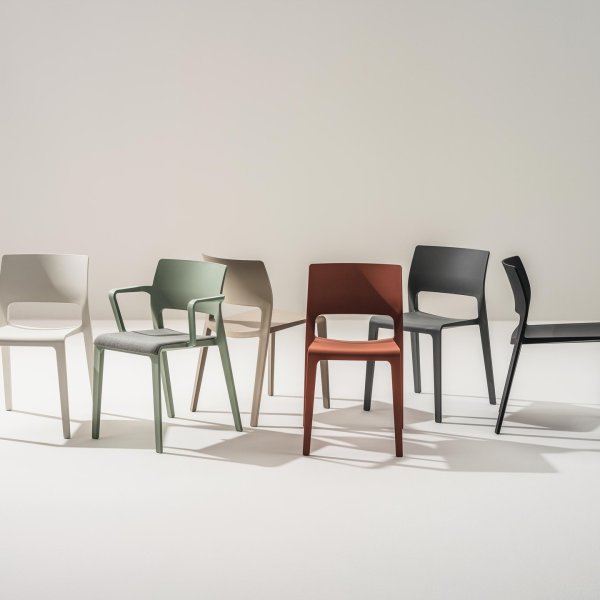
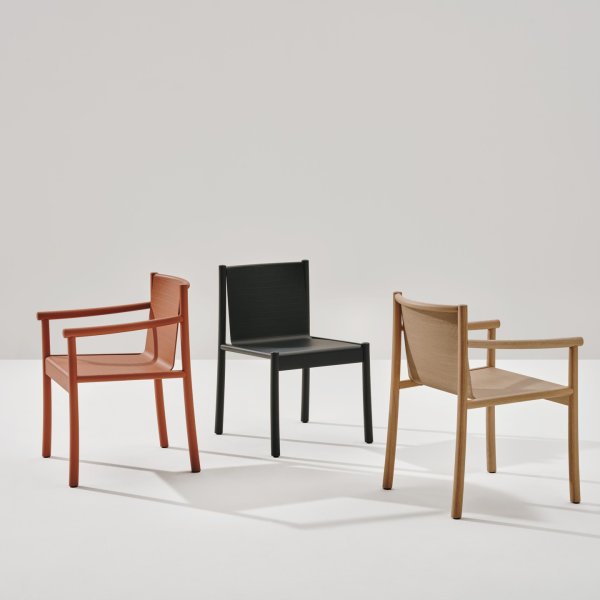
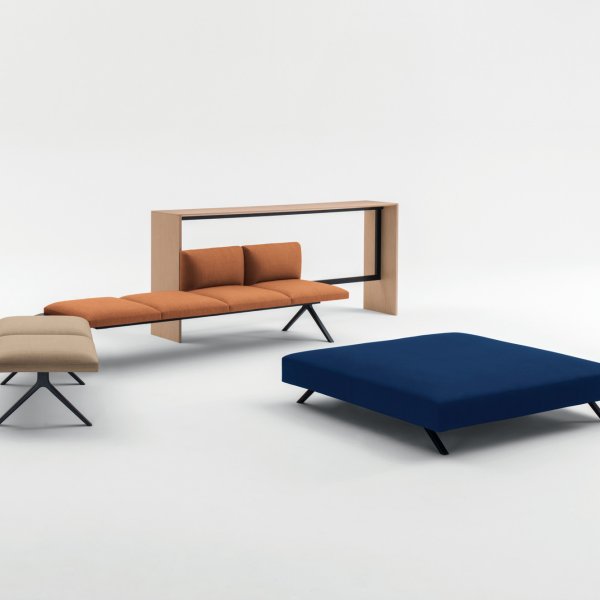
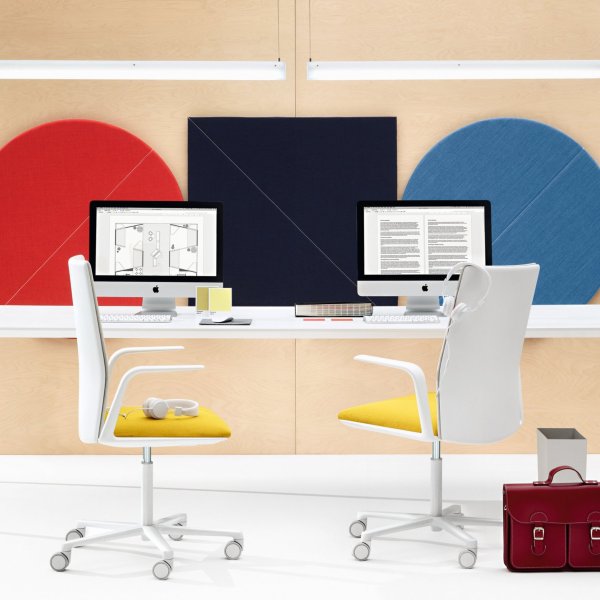
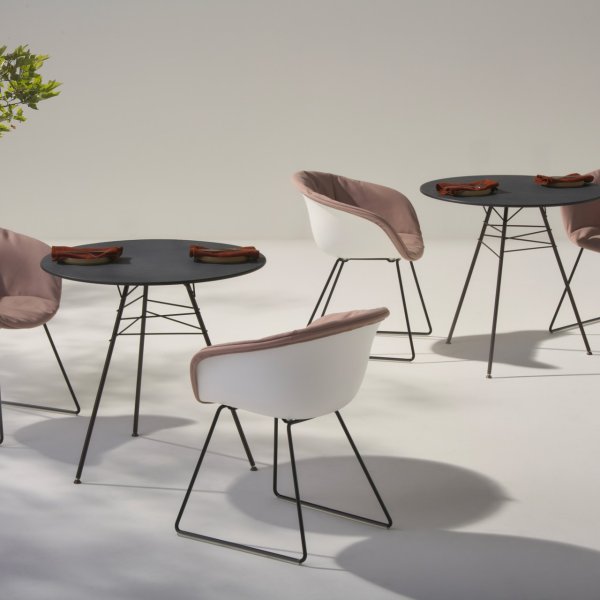
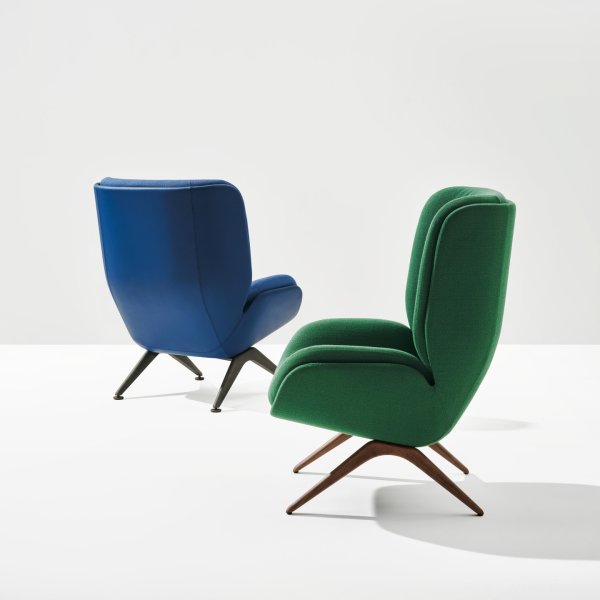
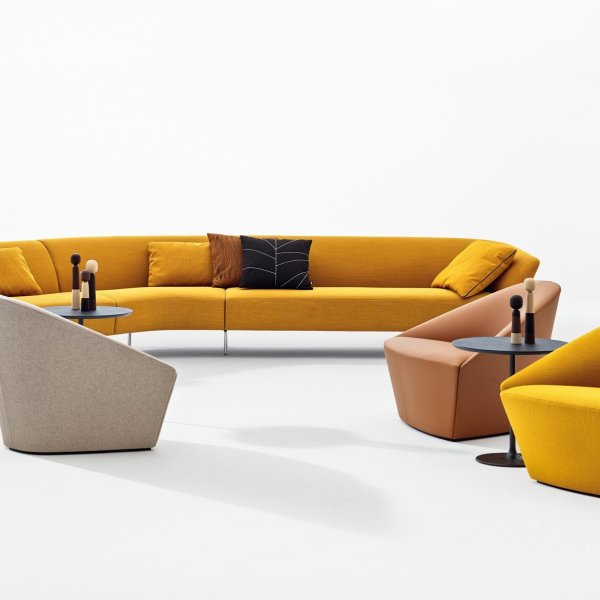
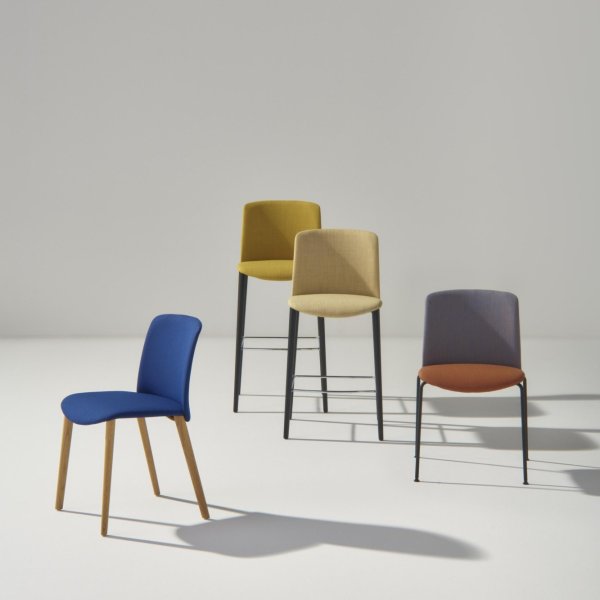
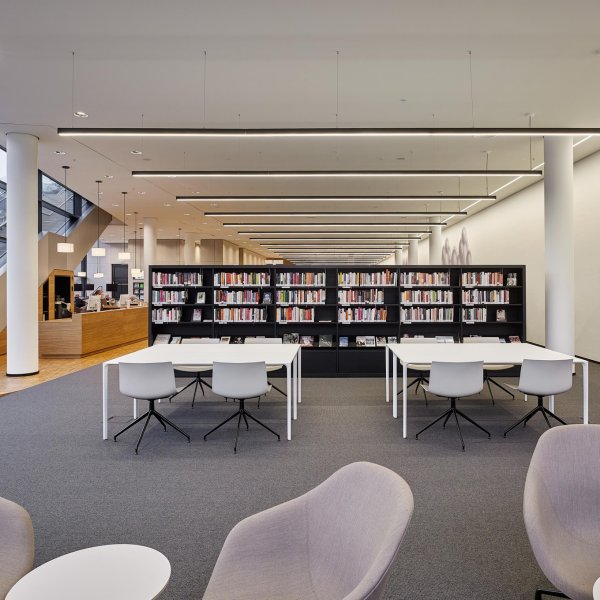
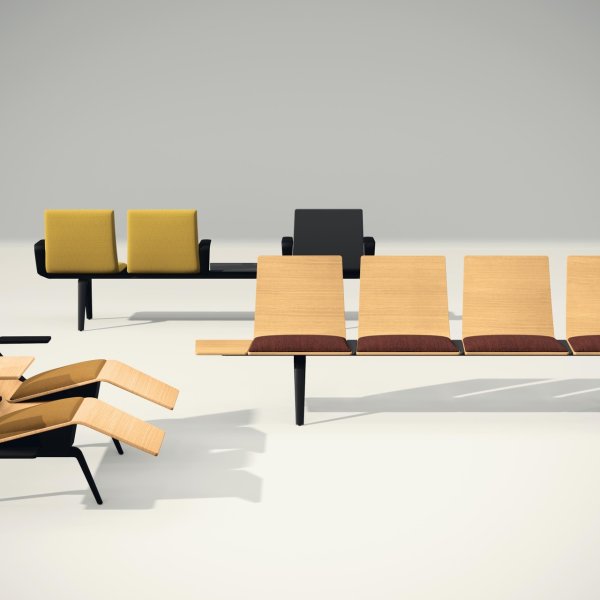
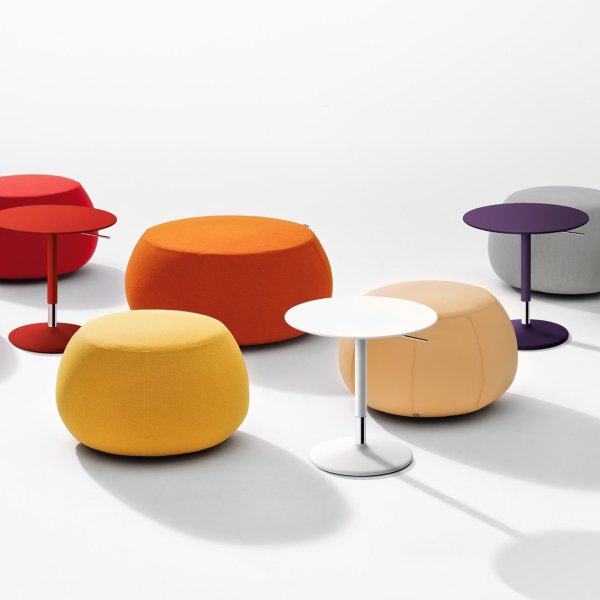
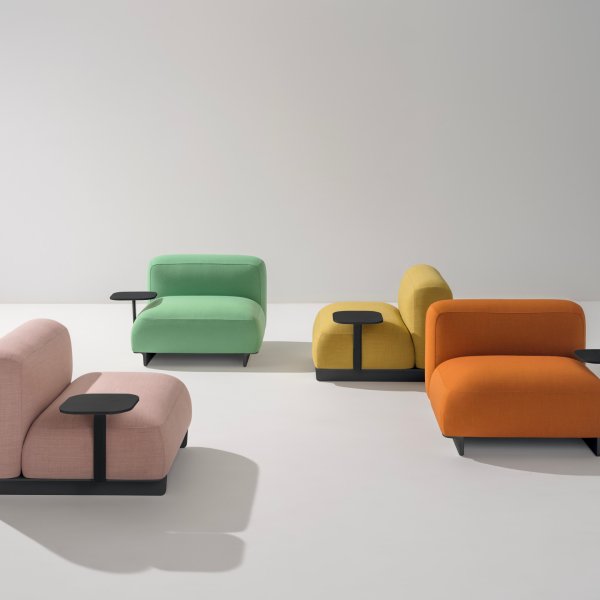
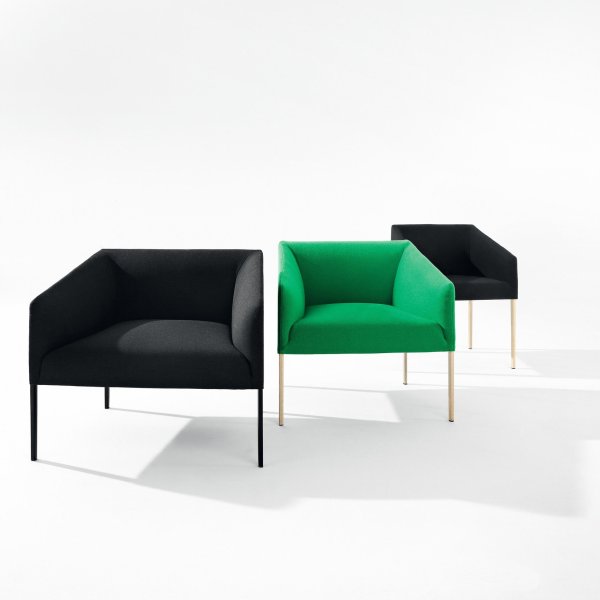
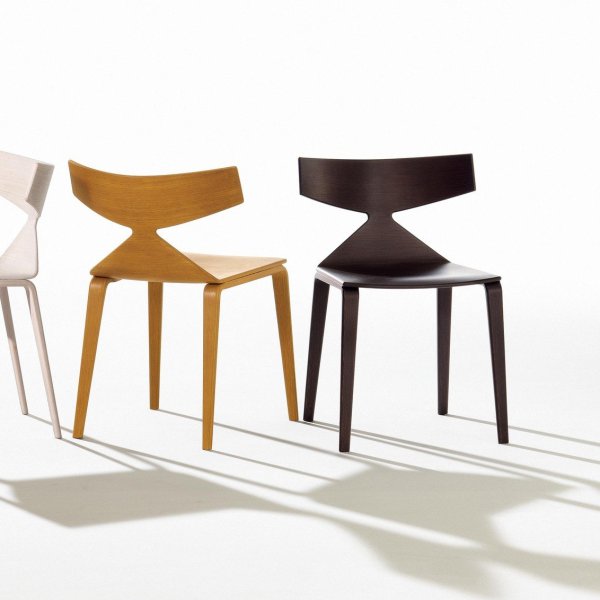
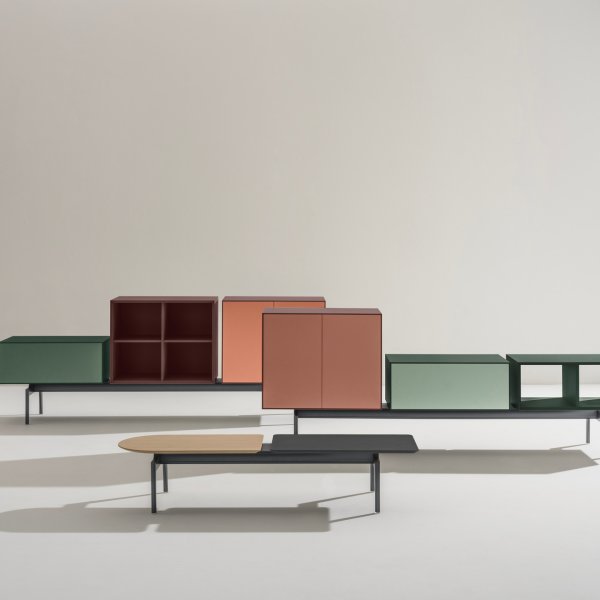
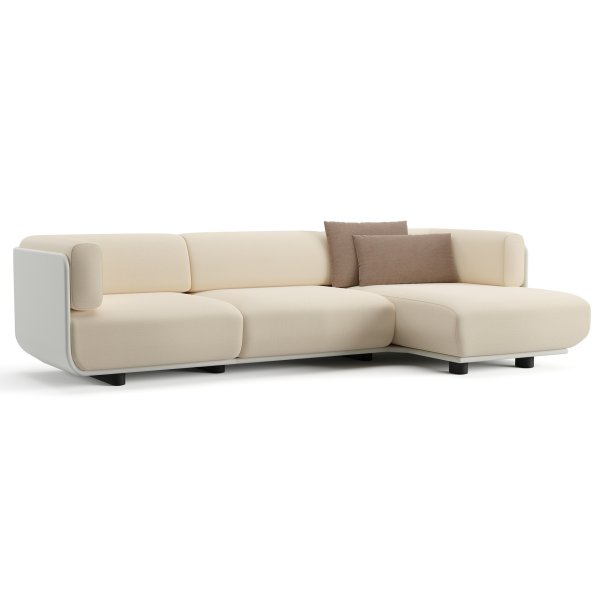
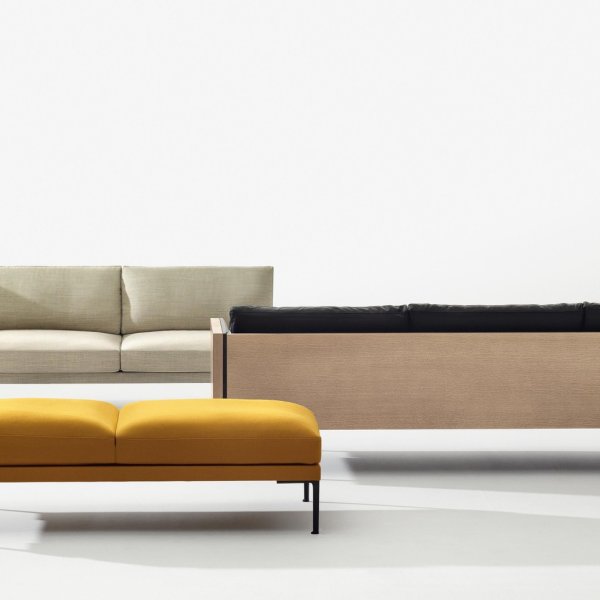
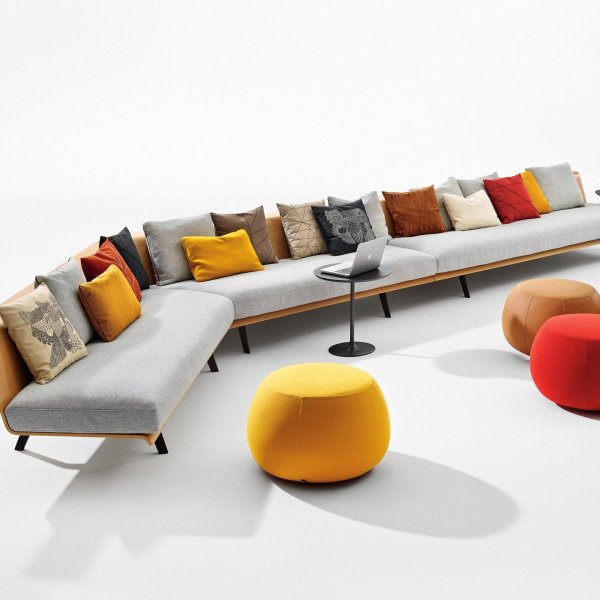
Because coherence is what a client reads across cabins and floors. With Arper the same shell — Catifa — becomes armchair, chair, stool and lounge, so reception, waiting, MD cabin, boardroom, café and outdoor stay one project, repeatable across cities. For the architect, fewer suppliers to align; for the company, one finish schedule for seating. La Mercanti composes the family and coordinates it with the furniture.
A concrete design fact: many Arper chairs are modular and disassemble for repair, reuse or recycling — the circular design a tender asks you to prove. And the example that lands: Catifa Carta, a chair made from recycled paper-based material. La Mercanti gathers the documentation your tender needs and submits it with the quotation.
For architects, PMC teams and admin heads: how a seating family pays off — from the zones to the upholstery.
Reception, waiting, MD cabin, boardroom, café, outdoor: list the functions first. Arper covers each with one seating family, so you choose the project, not the isolated chair — repeatable city to city.
An icon like Catifa exists as armchair, chair, stool and lounge. Choose the shell for the company's character and run it across cabins: coherence without monotony.
Sled or swivel base for the boardroom, stool for the café, outdoor frame for the terrace, task chair for the desk: function before aesthetics.
With La Mercanti one contact covers Arper and office furnishing across cabins and cities: upholstery, tones and timing in one project.
Upholstery changes acoustics and life: judge samples under real light. Ask for documentation — useful for ESG thanks to the disassembly design. La Mercanti handles samples and freight.